

In 1968, a group of little-known, Pittsburgh-based filmmakers released a soon-to-be cult classic, Night of the Living Dead. It played largely at drive-in theatres, upending popular ideas about “zombies” as shuffling, mindless, re-enslaved men and women, and their distorted, racist connection to Haitian Vodou, a syncretic religion that combined elements of West African and Catholic (Christian) spiritual practices and beliefs.
A striking reinterpretation and redefinition, Romero’s “zombies” were flesh-eating, back-from-the-dead ghouls. They represented the past devouring the present (and future), intergenerational conflict, the social, cultural, and political upheavals of the Civil Rights Era and the Vietnam War, and rapacious, unquenchable consumerism. Born more out of necessity than intention, the loose, cinéma vérité style, black-and-white cinematography, and shocking gore all combined to make Night of the Living Dead a commercial success, and it went on to become a huge influence on the horror genre.
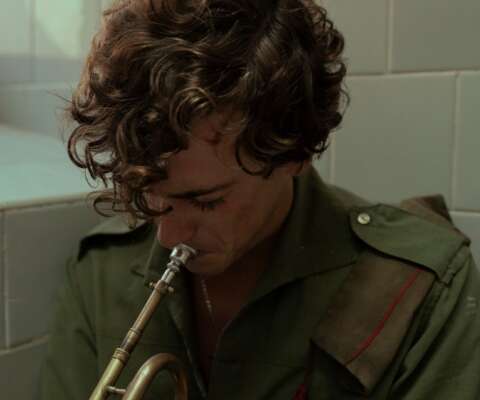
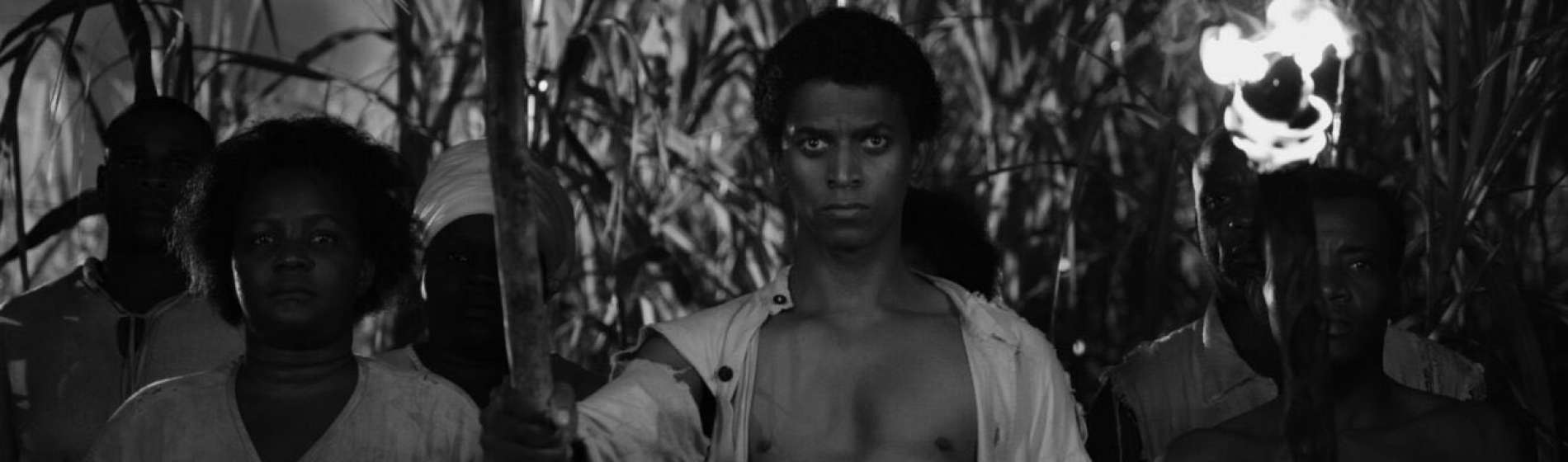
Night of the Living Dead also serves as a hinge or pivot point for writer-director Maya Annik Bedward’s ( Farm Crime, Lido TV ) fascinating, if all-too-brief, documentary, Black Zombie . A cinematic essay that incorporates a mix of archival footage, talking-head interviews, and a fictional film-within-a-film, Black Zombie serves as a vital corrective to wrong-headed, decades-old ideas about Haitian Vodou and the concept of zombies, placing both in historical, cultural, and social context.
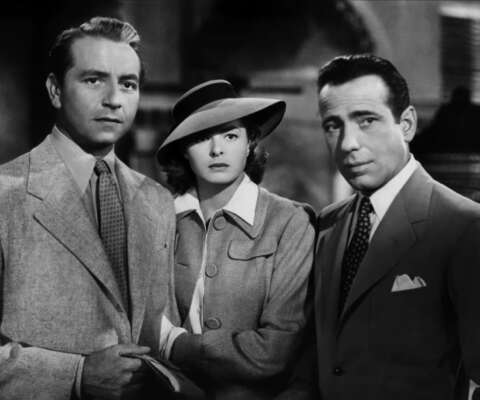
Romero’s version lacked the bastardized zombies introduced into Western (white) culture forty years earlier in The Magic Island , a supposedly non-fiction book written by W.B. Seabrook. In turn, Seabrook’s sensationalistic “tell-all” became the source material for the 1932 horror film, White Zombie , starring genre icon Bela Lugosi as a racist colonizer who manipulates locals and new arrivals for raw power, specifically the power over life and death.
As eloquently outlined by Bedward’s stateside contributors, including Kaiama L. Glover, a professor of Black, French, and Literary Studies at Yale University, filmmaker Zandashé Brown, and award-winning novelist and film historian, Tananarive Due ( The Reformator y), the history of Haiti and the rise of Vodou can’t be discussed individually, only collectively. Bedward, however, isn’t content to examine Haitian culture from simply an African-American perspective, no matter how insightful, informative, or provocative it might be (and it all is all of those things). She allows current-day practitioners, specifically Mambo Labelle Déese Botanica, Yves-Grégory Francois, and Erol Josué, to offer their lived-in, grounded perspectives. As Haitians or Haitian immigrants (Botanica), they can speak to Vodou as it is practiced today, free from the accreted layers of biases, prejudices, and racism added over the last century, often by well-meaning, if ultimately harmful, efforts of ethno-tourists like Wade Davis, the author of The Serpent and the Rainbow .
Interviewed for the documentary, Davis waves away any responsibility, let alone accountability, for the potential or actual harm his book might have generated against Haiti and Haitians. Even when he’s confronted by the excesses of the supernatural horror film Wes Craven directed from his book, he refuses to express even the slightest bit of remorse. Instead, he thanks the film’s producers for the house it helped him purchase when he sold off the film rights.
It’s an astonishing bit of self-revelation, though there’s little else to be found in Bedward’s cine-essay, not out of intent, but because the distorted ideas about Haitian Vodou are so widespread, so deeply embedded in Western (white) culture, calcifying over decades of indifference by pop-culture taste-makers, that it’s virtually impossible to locate a single defender to interview for Bedward’s wide-ranging survey of Haitian Vodou in all its forms (i.e., real and misconceived).
If the filmmaker’s wide-ranging, centuries-crossing exploration lacks anything, it’s in its too-brief approach. Bedward jumps years, decades, and sometimes centuries, touching on the Haitian Revolution, the first of its kind in the Western hemisphere, and its aftermath. Bedward also touches on France’s brutal, punishing demand for reparations to ex-slaveholders (a debilitating debt that took more than a century to pay) and the long-term political and economic effects on Haiti. A bit more there, plus an expansion of the examination of the zombie as an evolving, mutating idea, both pre- and post-Romero and Night of the Living Dead , could have only strengthened an already strong, worthwhile documentary.
Black Zombie had its Canadian premiere as part of this year’s Hot Docs Film Festival.