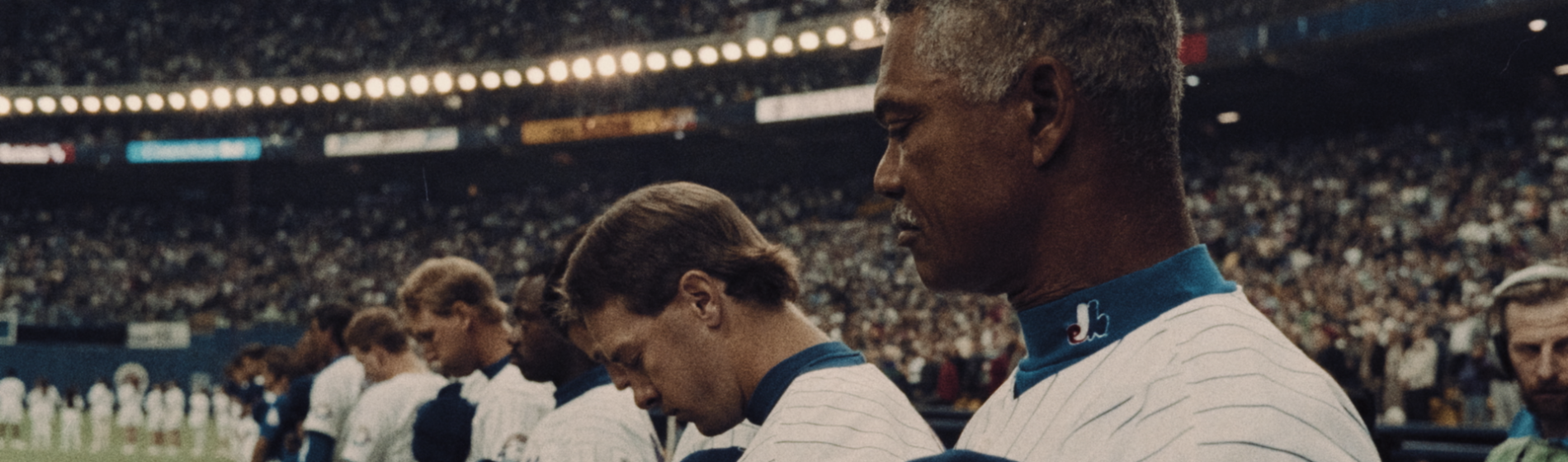


For the last thirty-odd years, the Toronto Blue Jays have been the only Canadian Major League Baseball team. They, now more than ever, represent Canada as a whole against America. There was a time, however, when they were the new kids on the block (1977 to be exact). It was Montreal, in 1969, that gained the first Canadian MLB team in history: The Expos. They got their name from the incredibly successful World’s Fair that took place two years earlier in the city, still fresh in the minds of North Americans. “Montreal” conjured European-esque glitz and glamour, so why not add a baseball team? Is there enough money in the city — and enough interest from the city population — to warrant it?
For a while, it seemed like the answer to both questions was a resounding “yes”. The Netflix film, Who Killed the Montreal Expos?, dives into the history tory of the team in an attempt to figure out what went wrong with Canada’s first MLB team.
By the time the mid-90s hit, the Expos were objectively, based on record, the best team in the league, with a thriving fanbase elevated by a great mascot (Youppi!), an iconic and lovable but admittedly dilapidated stadium, and cultural caché. Then a strike came. The league wanted to implement a salary cap for players, and owners believed this would increase competition between teams. The players believed this was just another way to control them, the ones actually doing the work. To a lot of fans, it felt like complaining one man’s stack of millions wasn’t as large as another’s — irrelevant. Sort it out, play the game, was the rallying cry.
They did not play the game. The strike lasted from August 1994 until April 1995. By the time games returned, the Expos were hemorrhaging cash.
To rush through it simply: The owner decided to sell their best players, including those born in Canada. It was a real thumb in the eye to fans. The team fell rapidly from first to last place. The majority owner, Jeffrey Loria, the Darth Vader of it all, added a last minute clause that allowed him to force the remaining minority shareholders to sell their shares. This saved him, and some others, a lot of money. But in the eyes of the Montreal population, and many of the Expos players, it converted him for good from an unlikable if apparently necessary annoyance into a full-blown traitor.
It is a tale as old as the concept of buying and selling: It’s not personal. It’s business. But for baseball fans it is personal.
Who Killed the Montreal Expos? does an excellent job of convincing the viewer from the get-go that the Expos, for the entirety of their run, were inextricably linked with the identity of the city, which made its eventual collapse all the more tragic, and seemingly malicious. The team wasn’t single-handedly responsible for the city’s surge in popularity, but they certainly those waves and created ripple effects. Footage of a young Celine Dion walking into the stadium with Youppi! is a perfect encapsulation of the vibe. The documentary gets funny, heartwarming, and incisive soundbites from every person who had an impact on the team, good or bad, from the owners, to the managers like Felipe Alou, to the famous players like Pedro Martinez and Vladimir Guerrero Sr., all the way down to everyday fans.
However, the doc illustrates that it is not entirely owner Jeffrey Loria’s fault. The city, in some ways, truly did not have enough money from private business owners to buy in and over power Loria from making the smartest business decision he could with what turned out to be a bad investment. With that said, it seems all but outright proven Loria and co. saw the writing on the wall and then exacerbated the teams many problems in ways that would hasten its death and simultaneously free them from responsibility and leave them with a good chunk of cash. To survive within Montreal, the team needed a financier-owner who cared with their heart as much as their wallet.
Who Killed the Montreal Expos? is greater than the sum of its parts, in a way that successfully captures and consequently evokes the intangible magic of the Expos’ peak(s).
Who Killed the Montreal Expos? is streaming now on Netflix.