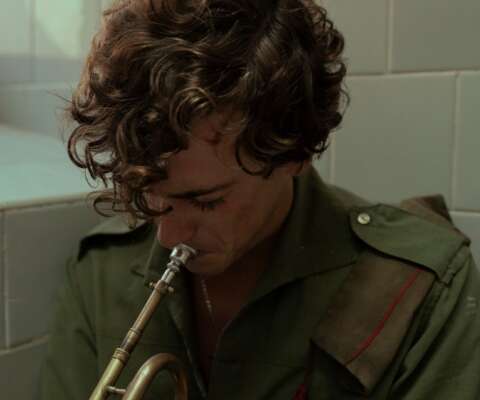


Stick around to the very last credit line of Ancestors for a refreshing chill. “Not survivors. But descendants,” read the closing notes of David Turpin’s poignant feature. This haunting fable looks back to the AIDS crisis and a generation of lost boys. It sees the era through the eyes of Beau (Éanna Hardwicke), a brooding Irishman who lives in some dank corner of London with hopes to be free. (Being gay is also illegal back home.) Beau makes tea at the local shop, which never seems to have any customers, but that’s fine. He spends his time reading Jean Genet and looking smoulderingly mysterious for any bloke lucky enough to walk by.
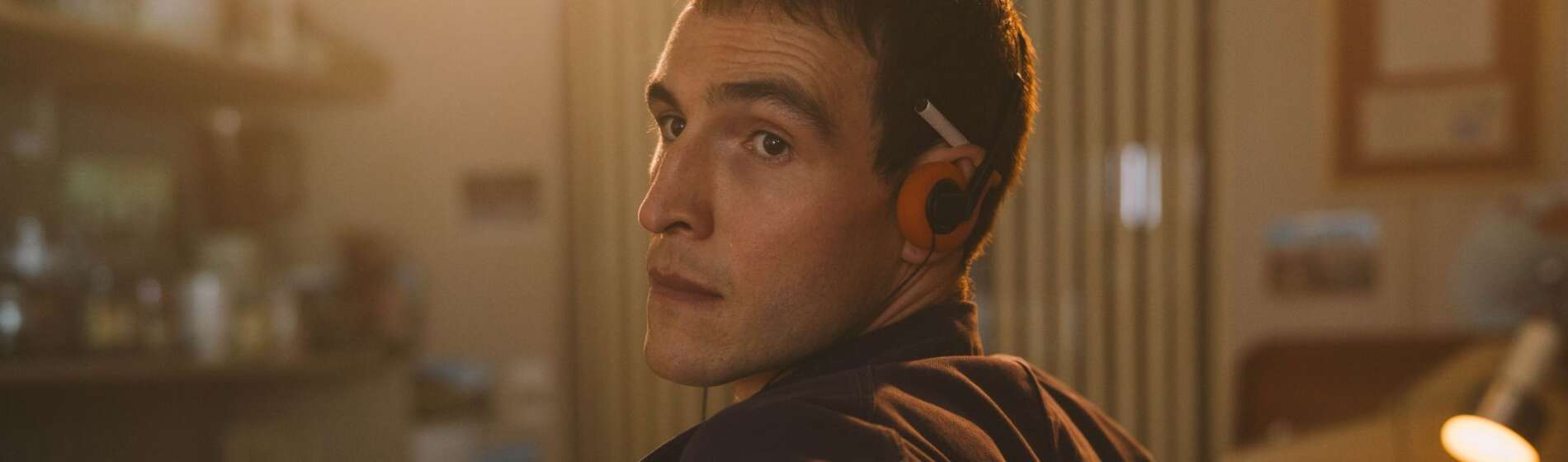
That chance encounter happens when the aptly-named Tiny (Jack Wolfe) surprises Beau with his sparking eyes. Tiny stops by saying that Maurice (Rupert Everett) offered him a job and a place to stay. The news lessens Beau’s alarm: Maurice has a habit of collecting misfit toys. Beau should know, being one of them.
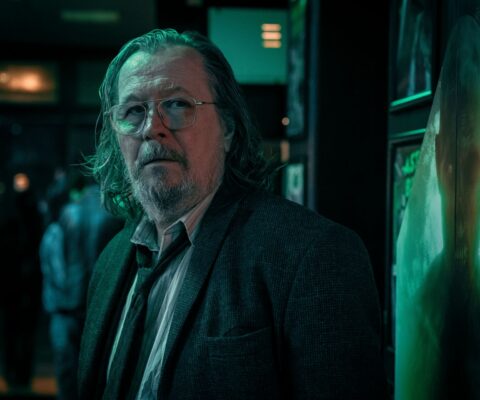
Maurice hardly plays the part of a dirty old man, though. He’s a mentor and an elder. He’s a father-figure for the lost boys. There’s a paternal caring grace to Everett’s scenes with Hardwicke as the elder imparts empathy and wisdom upon the next generation. Maurice offers a wealth of knowledge and compassion as he strives to be the model for Beau and Tiny that he never had himself.
As Beau takes Tiny under his wing, they develop a bond that seems obvious to onlookers. But it’s only once Tiny disappears from the flat altogether—unannounced and without warning—that Beau makes sense of the love they had.
Ancestors stirringly unfolds like a ghost story forever clawing back from the grave and scraping forward into present tense. The film deftly shifts between the past and the current timeline as Beau retraces Tiny’s favourite places, from the concert halls, back alleys, and cruising spots in the park. All he encounters are ghosts, or lingering men who prefer to watch. They fear the virus, or they have it and want to keep other blokes safe. The only traces of Tiny, meanwhile, are fleeting reminders of love that passed Beau by.
Hardwicke makes a strong impression and carries nearly every frame of the film with an absorbing maelstrom of emotions. Beau often pushes the limits of empathy, but so much of Ancestors plays out on Hardwicke’s well-chiselled face. There’s a torment of self-loathing and a desperation to be loved fighting beneath the surface. Even deeper sits the fear that grips Beau just as it does Tiny. These boys barely just discovered who they are, and yet they’re facing their end cruelly soon.
The film unfolds elegiacally like a kin to Andrew Haigh ’s All of Us Strangers as it pays tribute to a generation of young men who came up without proper elders because the gay folks who preceded them fell victim to the crisis. Ancestors , however, seems less confident with its interplay between the ethereal and the tangible than Haigh’s film does. But it’s an ambitious feature directorial debut that rewards the effort that one puts into it.
As Beau seeks clarity and salvation while pursuing answers to Tiny’s disappearance, the truth haunts him. Turpin’s narrative becomes more formally ambitious and fractured as Beau loses himself in his rejection of Tiny and the lad’s disappearance. Particularly in the shards of flashbacks, Tiny looks so scared: of his prognosis, but also of Beau’s rejection. It’s a story about young boys who died because they took a chance on love.
Amid the film’s increasingly abstract puzzle pieces are recurring encounters with a classic movie star (Christina Hendricks). Beau first encounters Gloria amid Maurice’s tribute wall to stars of the silver screen. Maurice is an avowed actressexual and loves his screen icons. He seems especially smitten with Gloria’s divine story as a hopeful lifeline amid the epidemic. Maurice regales Beau with the tale of Gloria’s narrow escape from death and the scar that beautifully marks her neck. Beau finds himself visited by this angel as he journeys deeper into the truth that pushed Tiny away. But his attraction to Gloria also underscores the cruelty of his own action towards loved one. His best friend and flatmate Shell (Jessica Reynolds) only wants to help and protect him, but he pushes her away too.
Gloria offers a striking figure as she appears in black and white sequences that contrast to the film’s washed out colour as the story evokes a generation of lives that exist only in old photographs and movies. She’s a strange ethereal presence as Hendricks lurks through the film as a disquieting muse, if an underwritten one. Subtle nuggets suggest that Beau knows more to Gloria’s story than he lets on, but there’s also a tangible thread to the relationship that gays build with the screen sirens who help them find community, explore beauty, and, above all, forge relationships they might not be able to have with their own mothers in real life.
Turpin combines these elements to bring Beau’s quest for Tiny full circle and Maurice soon has nobody left but his beloved Gloria. Ancestors stirringly pays tribute to the chasm in queer relationships that exists because of these tragic years. For the Beaus and Tinys who came after, they had no figures like Maurice to support them, educate them, and ease them into the culture. Turpin offers a well-earned nod to the lost boys and to the elders who watched over them by creating a distinctly queer space for these stories to endure.