

“Tom is in your extended network.”
That was the message that began it all for MySpace back in 2003. The site was created as a social media platform that prioritized users’ ability to portray their authentic selves and to find an online community. Profile pages were decked out with sections that showcased a user’s favourite music and other forms of entertainment, allowing them to share with friends and the wider web. Co-founder Tom Anderson designed it so that his profile would be the first friend any user made on the website, making them feel like they were part of a large family while guiding them through a tutorial on online networking — a concept that was still new to many.
MySpace never made it clear who “Tom” was, so many users would start coming up with theories, like he was one man running the website from his garage. This ethos and fabled independent energy gave MySpace a barebones appeal that was welcomed by emo and artistic communities alike. When MySpace was sold to News Corporation, the parent company of Fox, in 2005, the myth of the website’s origins and “street cred” began to unravel, revealing a more corporate side. The new documentary MySpace examines the site’s legacy, while allowing the site’s founders to look back at this unique history, attempt to backpedal on their mistakes, and reiterate what made it so great in the first place.
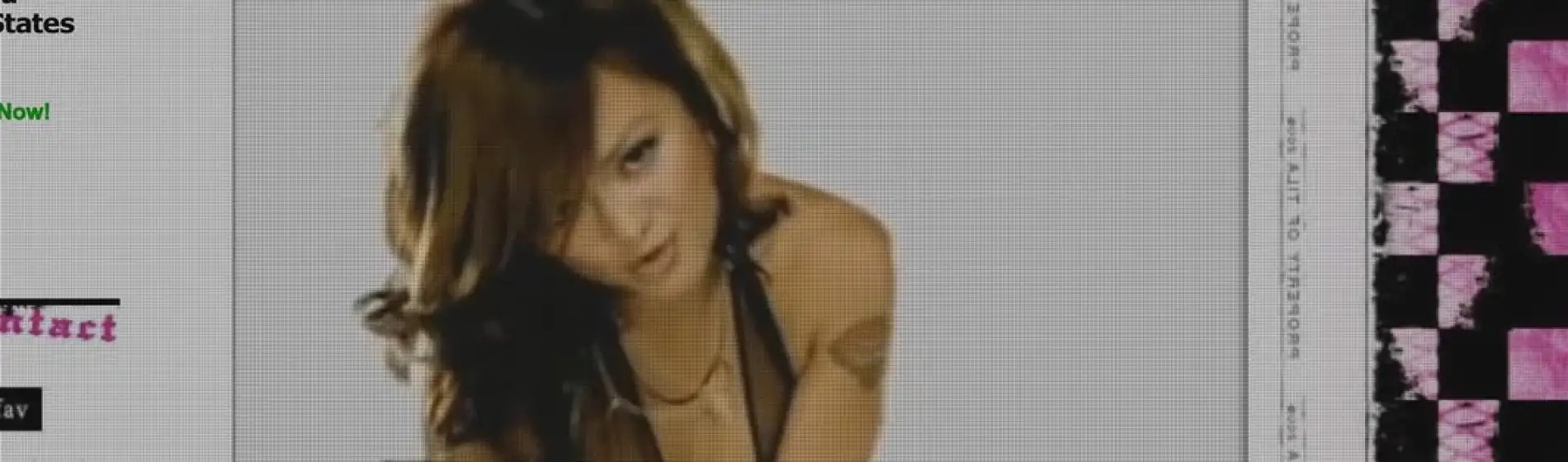
The film, from director Tommy Avallone, documents the rise and fall of it all and divides witnesses into two categories: the founders (Chris DeWolfe and Aber Whitcomb), and the influencers who made it big on the website (Dane Cook, Tila Tequila, and Jeffree Star, among others). All of these talking head interviews serve to reminisce on MySpace at its prime. The founders repeatedly talk about how the platform was the first of its kind to truly support careers in entertainment, and consequently a large amount of time in the film is devoted to the early success stories of Katy Perry and Taylor Swift. It feels odd to be giving all of this praise, not to mention credit, to a website from the early 2000s when the entertainers are still topping the charts today. It’s not unlike advertising a defunct product.
That doesn’t mean the storytelling here is without its engaging moments. The featured influencers have some intriguing anecdotes about how they used features of the website to their benefit. Cook talks about how he used the “Online Now” feature to run giveaways, which let followers know when he was active on the website, prompting them to anticipate these moments. References to other features, like battling friends to be in each other’s “Top 8” and sharing music to benefit up-and-coming talent, provide more detail about what made MySpace so singular for those uninitiated, more modern social media users.
Oftentimes, the documentary ventures too far into the personal lives of its interview subjects, and too far from the study of the platform itself. These asides span the spectrum of harmless, like learning about Star’s second life as a yak rancher, to concerning, like Tequila clumsily trying to defend the time she posted a picture of herself in Nazi garb to Facebook back in 2013, saying “they blew it out of proportion.”
A clear omission in the documentary is the inclusion of fans’ voices. Those who gave MySpace advertising revenue and were amongst the most faithful devotees of celebrities like Justin Bieber from the very start. The one-sided nature of the doc’s narrative feels particularly pointed when the founders tell the audience how much money they made and how popular the influencers got. Though it does feed back into what was wrong with the website, and goes a long way to explaining MySpace’s downfall. Things get worse. The site’s 2011 owners, Tim and Chris Vanderhook, go into great detail about their mission to double down on advertising for artists during their rebranding, which later led to them losing $ 150 million when their venture didn’t pan out, as if they are seeking pity from viewers.
For a project that initially positions itself as an exploration of an online revolution in individuality and community building, MySpace quickly becomes more interested in patting the platform on the back for how profitable it became for both its founders and its influencers. DeWolfe and Whitcomb do take ownership of MySpace’s problems, such as server outages, online bullying, and over-monetization, but these moments are unfortunately lost amid the documentary’s congratulatory structure. DeWolfe later says that modern social media’s success can be attributed to MySpace’s DNA, but forgets to mention the para-social communication it helped spawn. After all, social media has often been just a way to gain social capital over others, rather than a place to meet a friend on equal footing. Despite its lack of depth and numerous deviations, MySpace does a decent job of reminding us that Tom was never really our friend, but just another business tycoon hidden behind a friendly face.