


Body-swapping films have always evoked intrigue and, on some level, dread. The fear of losing control of one’s own body, or being trapped in one that is unfamiliar, has long been a cinematic staple. In Arthur Harari’s moody existential head-spinner The Unknown, this apprehension and anxiety wash over both the central characters and the viewer.
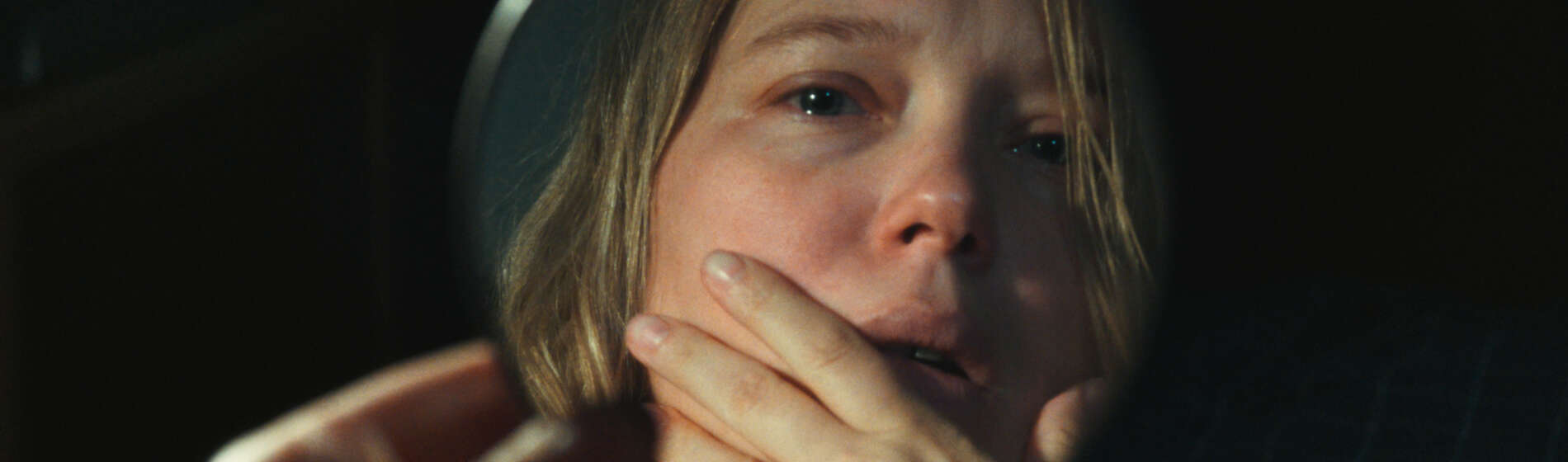
The twisty film follows David Zimmerman (Niels Schneider), a withdrawn photographer who reluctantly attends a party where he pops a pill meant to loosen him up. While riding a drug-infused high, he is drawn into a romantic encounter with a mysterious woman, Eva Helsinger (Léa Seydoux), who he secretly took photos of days earlier. The next morning, David is shocked to discover that he has somehow awoken in Helsinger’s body.
As if given a cipher without the proper key to decode it, the confused photographer can’t figure out how he ended up in this strange predicament. Believing that things might sort themselves out if he finds his body, he sets out to try and learn as much as he can about Eva. Just when the tracks in his search appear to run cold, and the prospect of reverting back to his old self gets bleaker with each passing moment, David stumbles across his body on one rainy day. The problem is that Eva is not in it.
Equally scared and confused, David’s former body is now inhabited by a young woman named Malia (Lilith Grasmug). Similar to the David/Eva swap, Malia found herself drawn to David’s body, seemingly with Eva in it, at a party. The next thing she knew she was trapped in a much older male body.
The Unknown never explains what the mysterious entity is, if it can be stopped, or how it chooses its victims. Through observation, the audience deciphers that it seems to select individuals dealing with great sadness. People who feel isolated even at a packed party with others. Although there are clues scattered throughout, Harari clearly has no intention of guiding audiences to the spot on the map where everything will be revealed.
Depending on one’s perspective, Harari’s reluctance to delve into any of the themes his film raises will either be intoxicating or infuriating. As captivating as the first half of the film is, where tension, fear, and dark humour blend together like a well-shaken drink, the latter half of The Unknown leaves viewers thirsty for something more substantial. The filmmaker touches on a wide range of topics including not feeling at home in one’s given body, the fear of losing one’s identity, the ways everything from general safety to sexual encounters can be a ride of terror for women, and much more. However, he deliberately avoids saying anything meaningful about any of it.
Harari is content to ride the atmospheric waves of existential dread his film creates. As his camera zooms in on David and Malia struggling to make sense of their current state, the sense of unease grows as the possibility of them being trapped in these bodies gets closer to reality. What makes this puzzling film even more intriguing is that Harari gets extraordinary performances from Schneider and Seydoux. Having to play multiple people over the course of the picture, each with their distinct traits, they bring so much nuance and quiet expression to their given roles.
It’s a shame the film’s overall ambiguity begins to overshadow the cast’s strong work. A fact that becomes very apparent in the last act, where Harari, who co-wrote Anatomy of a Fall, writes the film into a corner it can’t seem to get out of. An equally intriguing and uneven work, The Unknown ultimately leaves audiences in a fog of confusion.