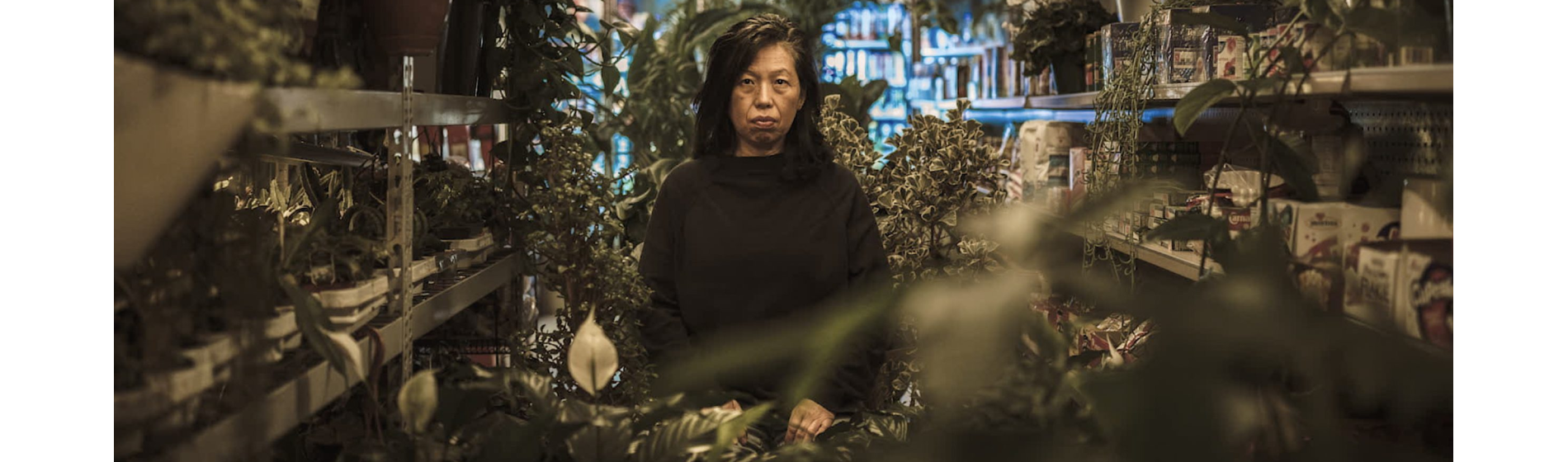


Acclaimed Toronto director Min Sook Lee’s latest film There Are No Words is a deeply personal story. In 1982, when she was 12 years old, her mother died by suicide. With her mother’s death came truth, lies, deception, and mystery. Mired in grief and trauma as a preteen, Lee now uses her skills as a filmmaker to excavate her family’s buried truths and transform her personal pain into cinematic introspection.
Screening as part of the Windsor International Film Festival, There Are No Words straddles cultures and geography. Weaving the tale of a South Korean family in Toronto with her ancestral homeland, what emerges is a personal story that is simultaneously recognizable for many immigrant families. Caught between the traditions of two cultures, Lee’s documentary touches on broader cultural norms that existed well beyond her small family unit as she interviews family friends, relatives, and her own father.
Lee’s father, a former intelligence officer, is a complex and intriguing figure. His recollections and statements are often vague and subject to doubt, raising questions about the true nature of events. Lee directly confronts her father on camera, asking pointed questions about his relationships with her mother and another not-so-secret wife in South Korea. His attempts to rewrite history, including repositioning Lee’s mother as an abuser – and not a victim of domestic and cultural abuse – make the filmmaker doubt the scant memories she has. These interviews are presented straightforwardly, with Lee herself in frame for many of the scenes, grounding the conversations with her father.
Lee’s father seems disconnected from reality, whether due to age or narcissism. While Lee maintains that There Are No Words isn’t about him, he continuously refutes this, feeling central to the film. His presence and narrative, again, overshadow her mother’s story and the impetus of the documentary. Even after more than four decades, he avoids accountability for the actions that contributed to her suicide.
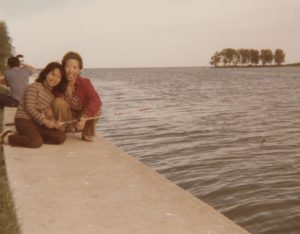
Filling personal recollections with archival footage of South Korea and Canada’s political relationship helps paint a broader picture and adds historical context to Lee’s story. Showing footage of Korean dictator Chun Doo-Hwan’s visit to Canada and the protests against his visit, her father refers to him as a “good person,” implying he was important enough to meet with him during his visit. Is it the truth? It’s unclear, as there is so much subterfuge to contend with, along with a declining memory. Lee herself seems unsure what to make of his claims.
Intercut with interviews and archival footage, Lee incorporates abstract nature visuals in close-ups, along with landscape shots, which help break up the narrative and provide room for the interviewees’ stories to be digested.
While There Are No Words is clearly a thoughtful production, its deeply personal nature may limit its appeal to a wider audience. Unlike films such as Alan Zweig’s Love, Harold (also playing at WIFF), which explore grief and trauma as broad yet personal subjects, this film focuses on mining the director’s own family history. Ultimately, There Are No Words feels more like a filmmaker’s attempt to gain personal closure than a universally compelling story. While its emotional sincerity is undeniable, its insular focus and unresolved narrative leave the viewer more as an observer than a participant in Lee’s healing process.