


When it comes to addiction, stories often fall into the same clichéd pattern. Our protagonist is recovering from some kind of substance abuse. They are struggling to stay clean, so they put one foot in front of the other. However, tragedy strikes and, in a moment of despair, they relapse. In a substance-fuelled spiral, they violently lash out at family and friends to get what they want. Eventually, they are either arrested or forcibly placed into rehab, where they must confront their addiction and consider what the illness has done to everyone around them. It’s a familiar story for people with family members who experience substance abuse. However, Hollywood has a tendency to lean more towards the spectacle of beating addiction rather than the everyday struggles entailed in achieving that goal. In Adam Meeks’ feature directorial debut Union County , he puts the authenticity back into this topic by delivering a quiet, yet authentic tale of sobriety.
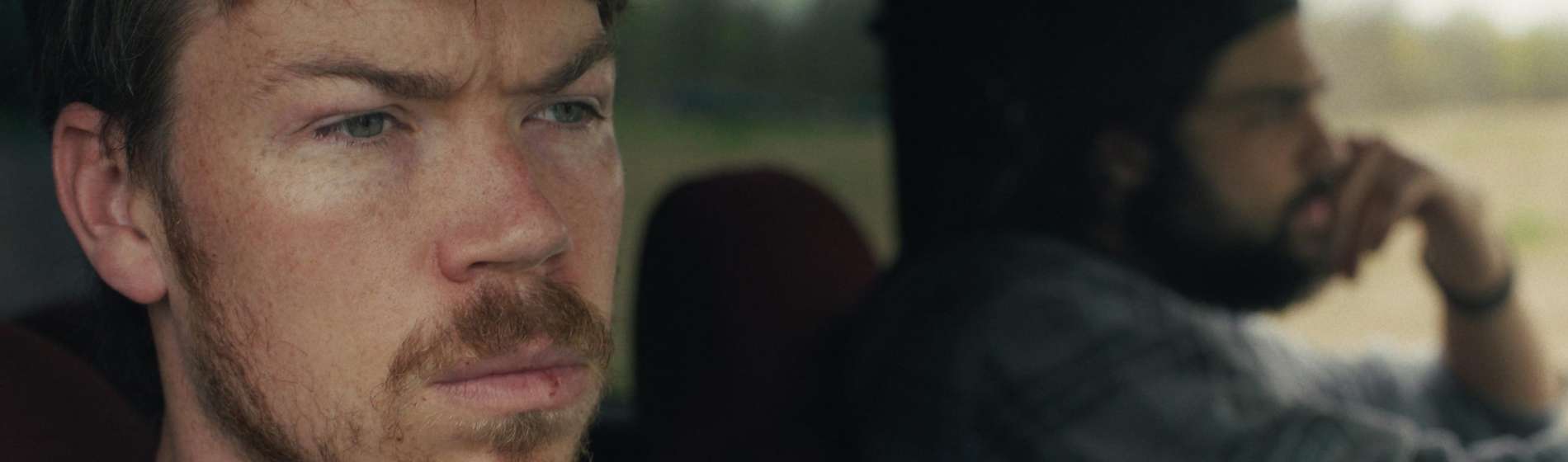
Cody Parsons (Will Poulter, Warfare ) is a recovering opioid addict in rural Ohio. Given a second chance, he is assigned to a county-mandated drug court program. His daily routine consists of working at a lumber mill, drug tests, court appearances, and Narcotics Anonymous meetings. It is a supportive yet strict routine. But his journey will be tenuous and difficult as he lives in the heart of the opioid epidemic.
While Union County follows the familiar routine for substance abuse dramas, Meeks’ direction gives it a renewed sense of purpose. Rather than leaning into the heightened emotions typically associated with stories of recovery, the film takes a step back, opting for something quieter and more patient. By centring on the daily grid of addiction and the small victories, Union County builds an uncommonly authentic portrait of the long road to sobriety. The camerawork is unobtrusive yet intimate, almost documentary-like in its distance. It’s as if we are observing these recovering addicts without intrusion.
Anchored by Poulter and a supporting cast largely made up of real participants in this program, the film approaches its characters with genuine empathy. In a genre that has a long history of demonizing addicts and focusing on the spectacle of recovery, it’s refreshing to see a film that treats addiction with such compassion. There is no judgment found in this film. Only a desire to listen and share these stories as they are. Poulter, leaning into restraint over a showy performance, delivers a quietly devastating turn as a man perpetually on the edge of relapse. For the non-actors, their reflections on sobriety carry a weight no script could replicate. These moments come from their own lived experiences, which adds to the sense of authenticity.
Every year at the Sundance, there is always a drama that turns its attention to the dark and often overlooked corners of the United States. Whether its stories about the myth of the American Dream or the simple acts of survival, it is refreshing to see a film take this dark underbelly and show that there is a light at the end of the tunnel. At its heart, Union County is an empathetic and uplifting story about overcoming addiction, even if the film doesn’t dive fully into the nastiness of addiction. In choosing compassion over despair, Union County becomes the kind of story that we need today in a world gone mad.