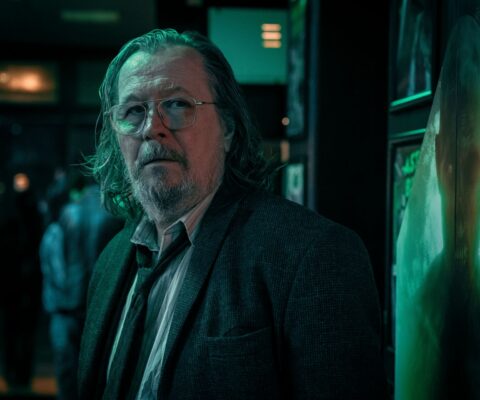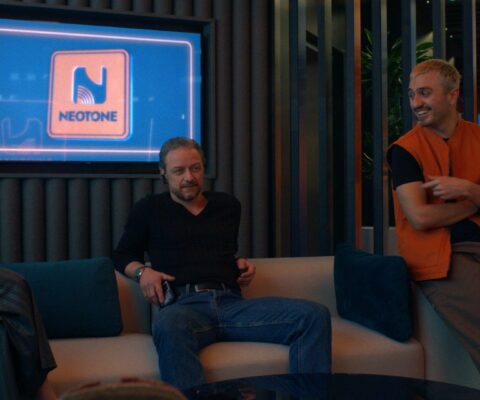



The title is a promise. With 34 days left before she reports to federal prison, Elizabeth Holmes invites a film crew into her rented San Diego home and offers them the run of it: every room, every conversation, no conditions attached. You can see everything. What Nathan Fielder and Lance Oppenheim do with that offer is the most unnerving thing in theatres this year.
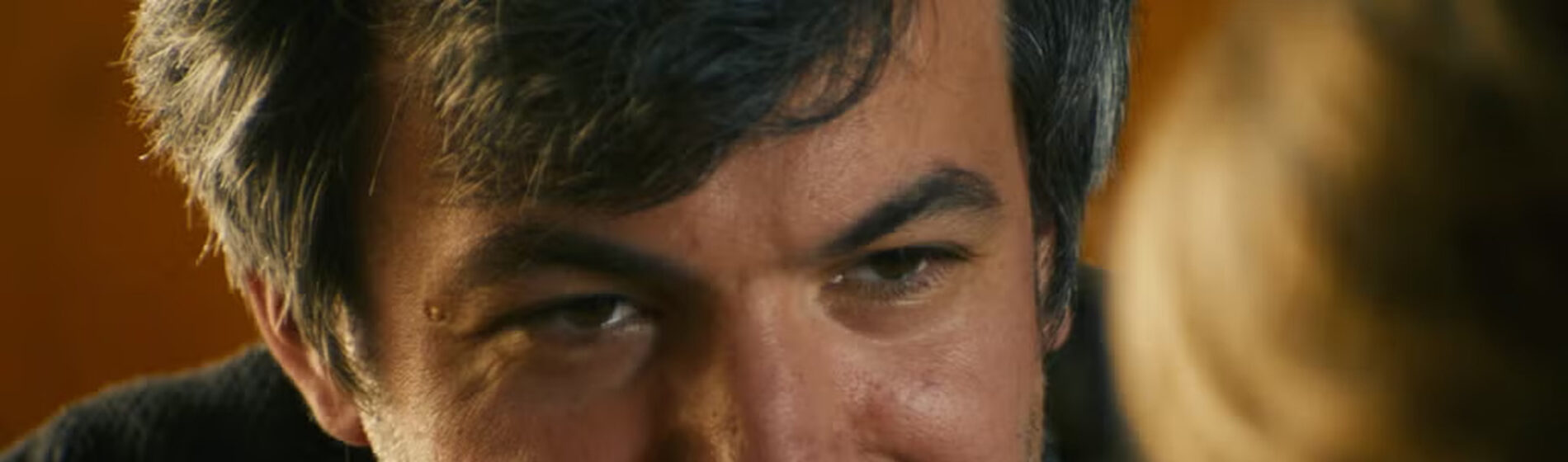
The first clue that the promise is a trap is the shape of the image. David Bolen shoots the film in a boxed-in 4:3 frame, and pushes in so far on faces that the frame regularly cannot hold one. An eye, a mouth, the corner of a jaw. The effect is intimate and faintly unbearable, and it makes the argument the film spends three hours pressing. You can be close enough to count someone’s eyelashes and still have no idea what is happening behind them.
That gap is the whole subject. Holmes was convicted over the question of how much of her public self was real, and here she is, offering unlimited footage of the private one. The film takes the offer seriously and lets it curdle. The more access it gets, the less settled anything becomes.
Fielder is almost too perfect an author for this. His work has always been about engineered sincerity, about people performing a version of themselves for a camera that refuses to look away, and about his own discomfort sitting inside the frame with them. He does not pretend to be a neutral instrument here. He turns up in the film as a participant, visibly wrestling with how much of this he is enabling, and the documentary is frank about being one more apparatus pointed at a woman who has already been processed by a great many of them. Oppenheim, whose Some Kind of Heaven and Ren Faire both found the strangeness in people constructing their own realities, is an ideal match.
It is also, and this should not surprise anyone, extremely funny. The humour runs from a low hum of awkwardness to two or three moments of genuine disbelief, and it does real work. Fielder’s willingness to let a silence run past the point of comfort operates as an interview technique. People fill those silences, and what they fill them with is the film.
What makes it great, though, is its refusal to hand down a verdict. A lesser documentary would arrive with a thesis and spend two hours confirming it. This one lays out a vast and contradictory pile of evidence and then declines to tell audiences what it adds up to. Is Holmes a passive person who has spent her adult life inside the orbit of controlling men? Or is she the most skilled manipulator anyone in the film has ever met? Both readings are fully available, and the film will not break the tie. That restraint is the honest position, because no one actually knows, and a documentary that pretended otherwise would be doing exactly what its subject stands accused of.
The structure does a great deal of quiet work toward that end. Information arrives out of order, and the film repeatedly withholds something only to produce it much later, at which point everything around it has to be re-read. Adam Locke-Norton’s edit threads it all into a web, and watching the pieces click into place is a genuine pleasure. Ari Balouzian’s score is used with real discipline throughout, never nudging a scene toward a conclusion the images are refusing to reach.
Running a hair under three hours, the film does ask a lot. The length is felt. Every sequence earns its place, but scenes tend to run a beat or two past their peak, and a tighter pass would have lost nothing. That is the only meaningful complaint available, and it is a small one against a film this ambitious.
Fielder and Oppenheim have made something that gives audiences total visibility and almost no certainty, and then asks them to sit with the difference. It is the best documentary in a long while, and the kind that keeps rearranging itself in the memory for days afterward. Anyone who sees it should go in knowing as little as possible.
You Can See Everything opens in select theatres on Friday, October 16.