
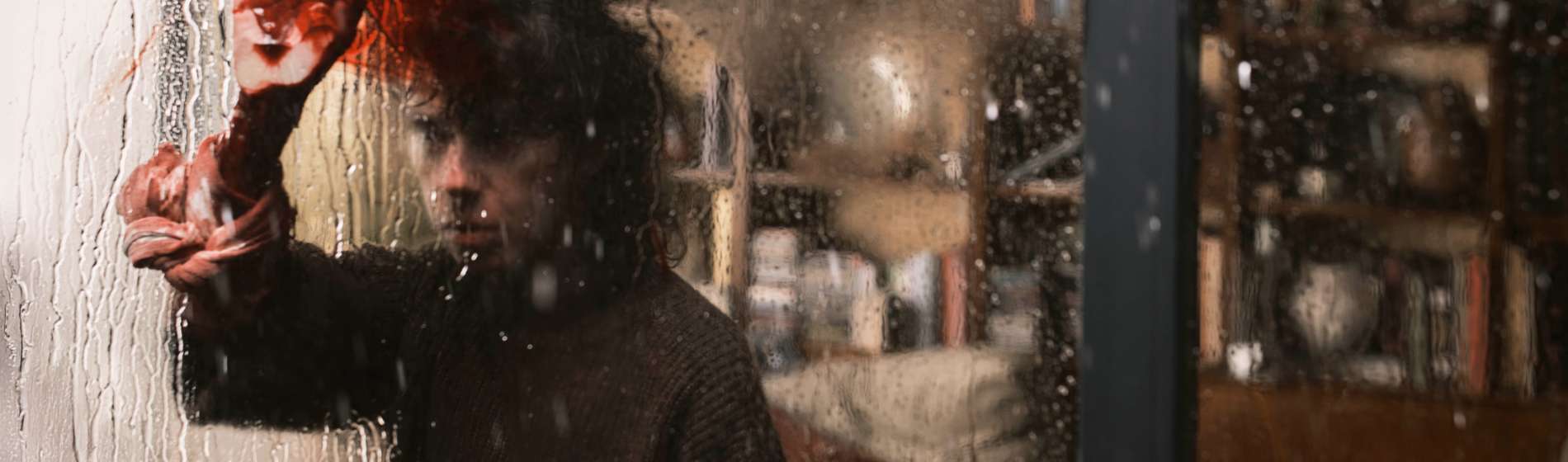


Horror films have always been about more than the plot. Crushing grief, fear of globalism, and anxiety over female empowerment are just a small smattering of what lies beneath films like Hereditary, Dracula, and Ginger Snaps. Not only have text and sub-text been hanging out together in the horror genre since its inception, so has the awareness of these secondary forces in media. Reading a film for what it is hiding behind its surface is as old as cinema itself. The reality, however, is that some filmmakers blend this text/sub-text slurry better than others. And the Philippou brothers do this very, very well.
Bursting through the ribcage of horror cinema in 2023 with Talk To Me, Aussies Daniel and Michael Philippou made quite the first impression. Far gone are the shackles of their previous career as mere YouTube content creators, these two filmmakers brought their fresh and traumatizing voice to horror with the confidence of two long-established directors. Now, their second foray into feature-length fiction proves that these brothers are anything but a fluke.
Bring Her Back starts with the shocking and bloody death of two teens’ father. Andy (Billy Barratt) and Piper (Sora Wong) had already lost their mother and this loss propels these two tightly-bonded siblings into the foster family system. Andy is just three months away from turning 18, at which time he can move out and apply to take care of Piper on his own. That is their dream.
Foster mom Laura (Sally Hawkins) reluctantly takes Andy along with Piper, and it is very clear that something is off with her. She is a little strange and inappropriate at times, but what grieving mother would not be? At first, her meddling ways can be written off as being well intentioned misfires, but soon the accumulation of strange behaviors reaches a critical mass. And this is all without mentioning Oliver (Jonah Wren Phillips).
Oliver is the odd, essentially mute, typically shirtless other foster child living at Laura’s home. He is the type of kid who barely blinks or even engages with Andy and Piper, and his presence seems to haunt Laura’s home.
Much like Talk To Me, things in this world start bad and get worse. Laura is obviously trying to drive a metaphorical wedge between Andy and Piper, though it is not initially clear why. The fact that Piper is more than willing to side with her only living parental figure just makes Laura’s job that much easier.
Bring Her Back truly excels at dripping information to the audience with great care. Everything we know or do not know about this situation and Laura’s plan feels so intentional. It is as if the Philippous are edging the audience toward their big reveal, only to continue teasing out the plot morsel by juicy morsel.

Lest anyone think all this plot teasing and tension means forgoing bodily torture and physical suffering, you are in luck. As Bring Her Back ramps up toward the inevitable horrors within, the corporeal maiming gets down to business.
There is a classic comparison of fleshy pain that pits a papercut against a beheading. While a beheading might make a bigger visual impact, and requires greater cleanup, very few people can imagine what that might actually feel like. But nearly everyone can empathize with the papercut, flashback to their own history of papercuts, and even anticipate the long road to healing ahead for that papercut victim. Papercuts feel personal.
Papercuts might not be a featured avenue of visceral violence in Bring Her Back, but the most horrific injuries are done with the same attention to detail, in close proximity, and slow-moving tension. Each blow and crunch, largely done with gold ole fashioned practical effects earn the winces and cringes given with nearly each frame. The biggest compliment I can give is that it is truly disgusting.
This stomach-churning complements the psychological, rather than fighting with it. The injuries and attacks are not random, but rather a culmination of anticipation.
Layered atop these cinematic innards are the themes and questions raised by the aforementioned subtext. There are threads of grief and coping with loss in different ways. Ideas of autonomy, adulthood, and protection play into many of the dynamics of Laura’s house. Bring Her Back also raises the question of whether or not one life can be more valuable than another. None of these are clearly settled, but they are not meant to be. Life is messy, and Laura’s house is even messier. Art is a safe, and fictional, way we can process through some of these notions.
It would be difficult to say too many good things about Bring Her Back. The film is uncomfortable and trying in the best possible ways, and the Philippou brothers are now the ones to watch in the horror world.
Bring Her Back is out in theatres now.