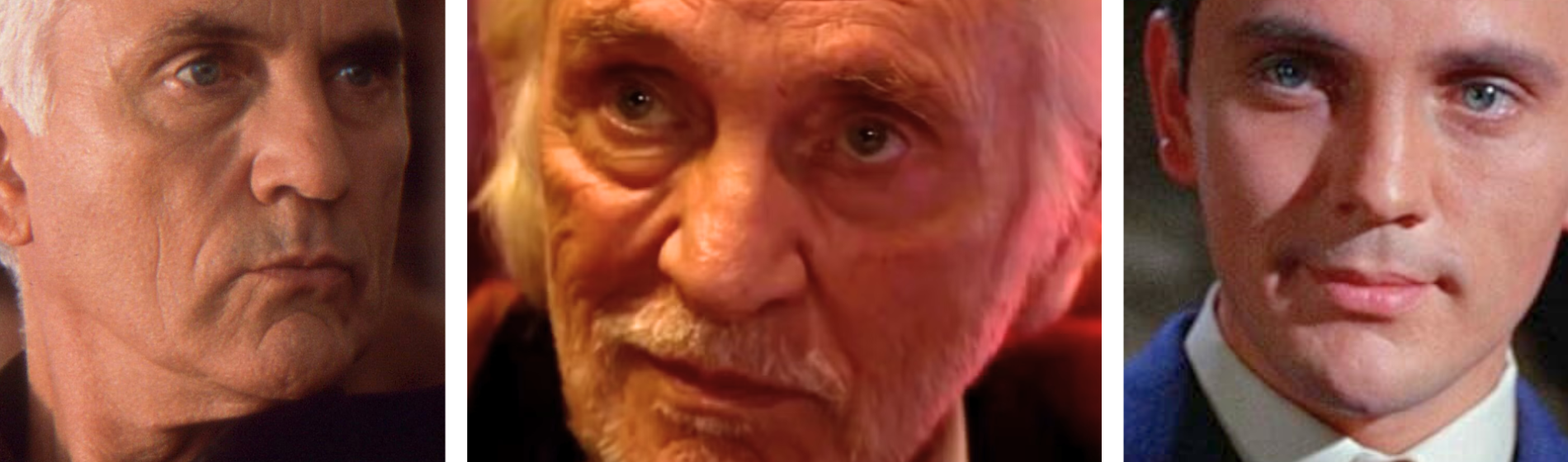



Although often remembered for being a stalwart of the Swinging Sixties cinema and later for his role as General Zod in Superman II (1980), Terence Stamp’s impressive and varied career spanned six decades and nearly 100 roles. The prolific English actor passed away Sunday morning at the age of 87, leaving a legacy of stand-out parts and memorable films.
His talent impressed audiences and critics from the off, Stamp gained an Oscar nomination for his very first major film, Peter Ustinov’s Billy Budd (1962), before going on to star in everything from Far From the Madding Crowd (as the enigmatic Sergeant Troy) to The Adventures of Priscilla, Queen of the Desert (as transgender drag performer Bernadette). His good looks and brooding stare could’ve pigeon-holed Stamp as a romantic lead or foil, but instead, he charted a unique career path that proved his range and challenged him to reach new depths with every role. Edgar Wright’s Last Night in Soho marked the thespian’s last major film–a role that gained him rave reviews upon release in 2021.
Born to working-class parents in Stepney, east London, on July 22, 1938, his family endured the extreme hardships of The Blitz before they relocated to the countryside of West Sussex. Stamp initially pursued a career in advertising before nabbing a scholarship to the prestigious Webber Douglas Academy of Dramatic Art. Though he didn’t secure the Oscar win for Budd, he did gain a Golden Globe for best newcomer for the performance. His high-profile relationships with Julie Christie and supermodel Jean Shrimpton made him a mainstay of the London press, and even saw him name-checked in The Kinks’ chart-topping hit, “Waterloo Sunset.”
Stamp was even considered as a replacement for Sean Connery’s James Bond. But his ideas about where he could take the legendary spy put Harry Saltzman off, and he never heard back from the producer about the role. It’s just one of the regrets the actor has mentioned over the years, including turning down the starring role in Camelot.
He worked with a host of legendary directors during the first decade of his career, including Fellini, Wyler, Loach, and Schlesinger, but as the Sixties came to a close, his star began to wane. Stamp discussed his coming to terms with that downward trajectory on an episode of BBC’s Desert Island Discs: “When it all kind of came to an end, I thought to myself there’s been a lot of fun but there hasn’t been any real, deep internal satisfaction”
A true legend of the screen, and one never content to rest on his laurels, it would take a substantial amount of time to determine which roles were Stamp’s very best. Instead, we’re running down 10 of his essential films. If you’re already a fan of the prolific actor, it’s an excellent chance to revisit some of his most impressive work. If you’re more unfamiliar with his film canon, it will give you some insight into why many of us are so saddened by his passing.
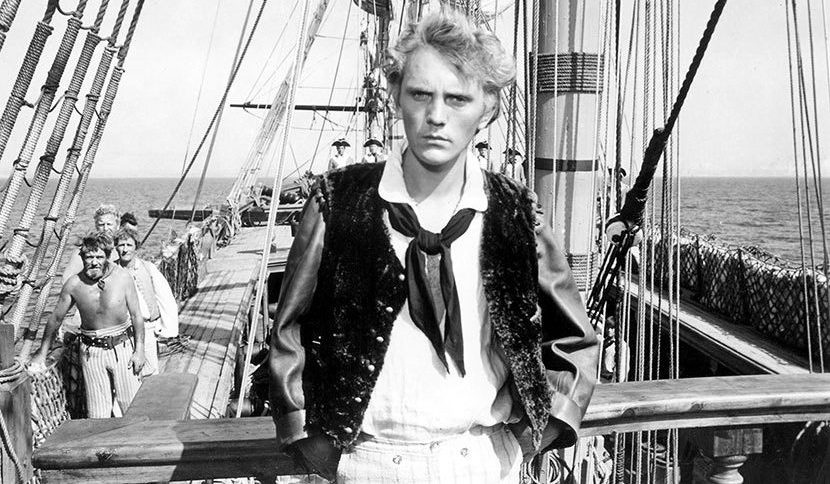
Billy Budd (1962) – Stamp secured his first significant film role in this adaptation of Herman Melville’s historical adventure. His performance as the naïve, optimistic young seaman, whose story turns unexpectedly tragic, made him an instant star, and when you watch, you’ll immediately see why.
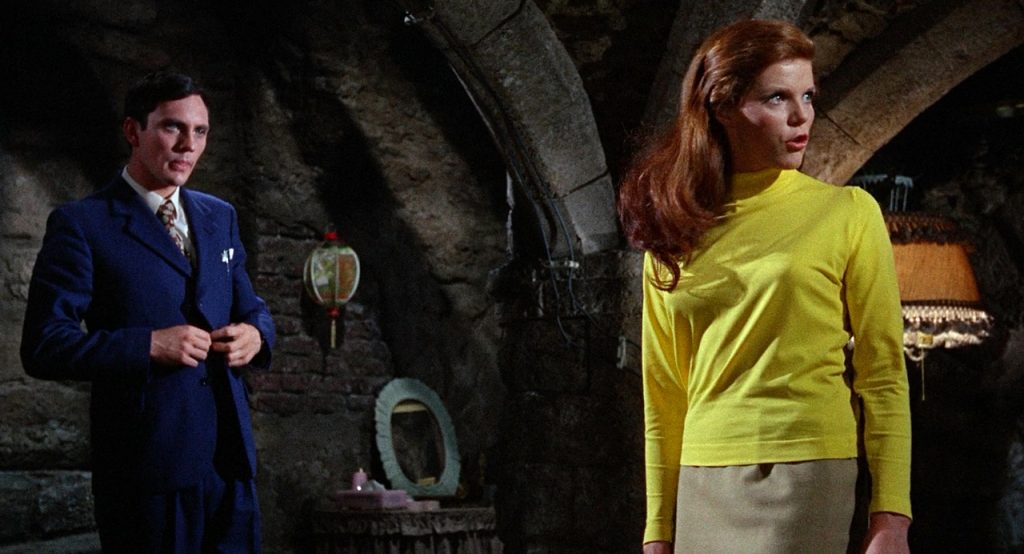
The Collector (1965) – One of William Wyler’s final films, and the film that brought him his final Best Director Oscar nom, The Collector is an adaptation of John Fowles’ 1963 novel. It follows a young Englishman (Stamp) who stalks a beautiful art student (Samantha Eggar) before abducting and holding her captive in the basement of his rural farmhouse. Wyler turned down The Sound of Music to direct The Collector, and though it’s lesser known, the psychological thriller is one that may prove equally memorable, but for entirely different reasons. Both leads won their respective Best Acting prizes at that year’s Cannes Film Festival.
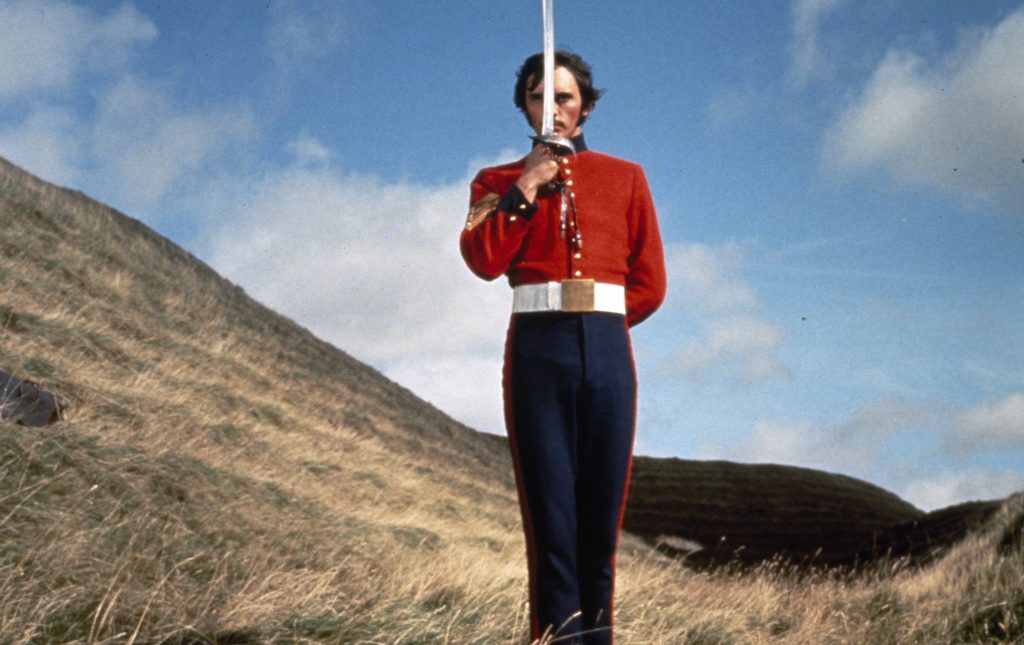
Far From the Madding Crowd (1967) – With a screenplay by Frederic Raphael and directed by John Schlesinger, this adaptation of Thomas Hardy’s beloved novel starred three of the Swinging Sixties’ best-known actors: Julie Christie, Alan Bates, and Terence Stamp. It’s not hard to understand Bathsheba Everdene’s attraction to the complicated Sergeant Troy, when played by Stamp. Visually stunning, with cinematography by Nicolas Roeg, this version is oddly both timeless and firmly of its time. A must-watch for any cinemaphile, never mind a fan of Stamp or the rest of the impressive cast.
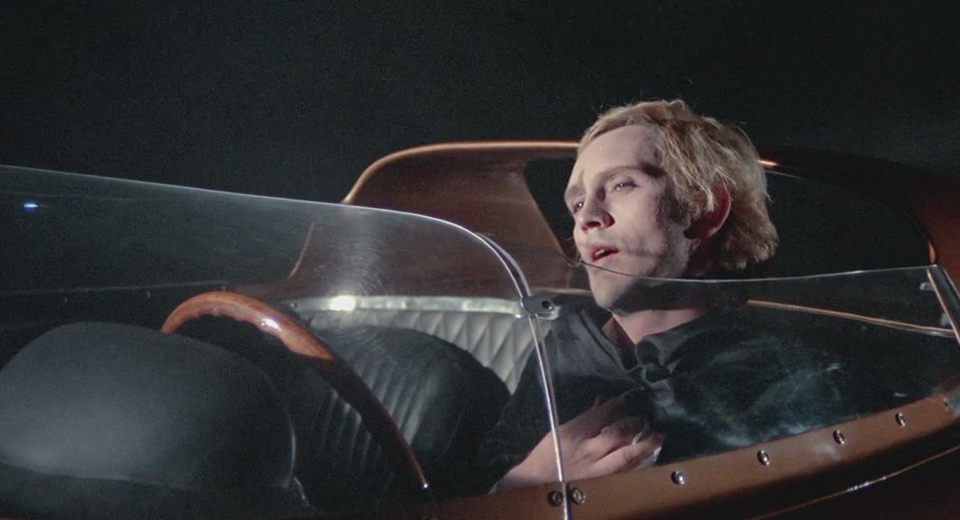
Spirits of the Dead (1968) – A horror anthology dedicated to adapting some of Edgar Allen Poe’s gothic best, Stamp starred in the third segment, “Toby Dammit”, directed by Frederic Fellini. Loosely based on Poe’s short story “Never Bet the Devil Your Head”, Stamp stars as a famous Shakespearean actor whose career is slowly dying thanks to his addiction to alcohol. After accepting a role in a film, largely because the production has agreed to give him a brand new Ferrari as a bonus, he begins to see visions of a macabre young girl and thinks he may be slowly going mad. To tell you more would be to give everything away, so just watch and find out what happens. Come for the Stamp, but also make sure to watch the two other films in the anthology: “Metzengerstein” starring Jane and Peter Fonda (directed by Roger Vadim), and “William Wilson”, starring Alain Delon and Brigette Bardot (directed by Louis Malle).
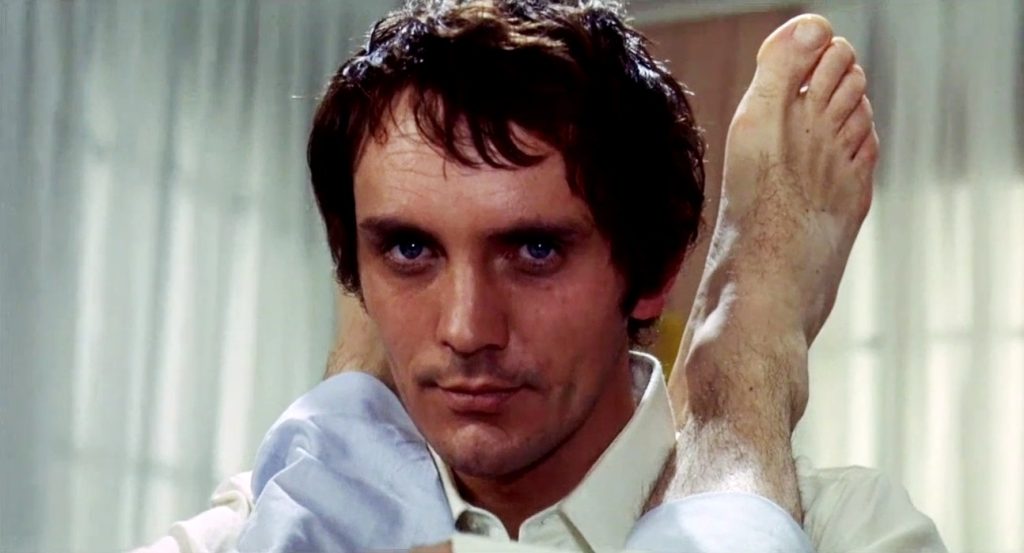
Teorema (1968) – Directed by Pier Paolo Pasolini, the Italian surrealist drama centers on the effect a charming, yet enigmatic stranger (Stamp) has on a Milanese bourgeois family. A film very much of its time, it’s worth taking a trip back in time for both the engrossing performances and to see Pasolini’s deft hand at work. There are so many strings to unravel here, and consequently so many interpretations of what’s on offer, but it remains as provocative now as it was upon its original release.
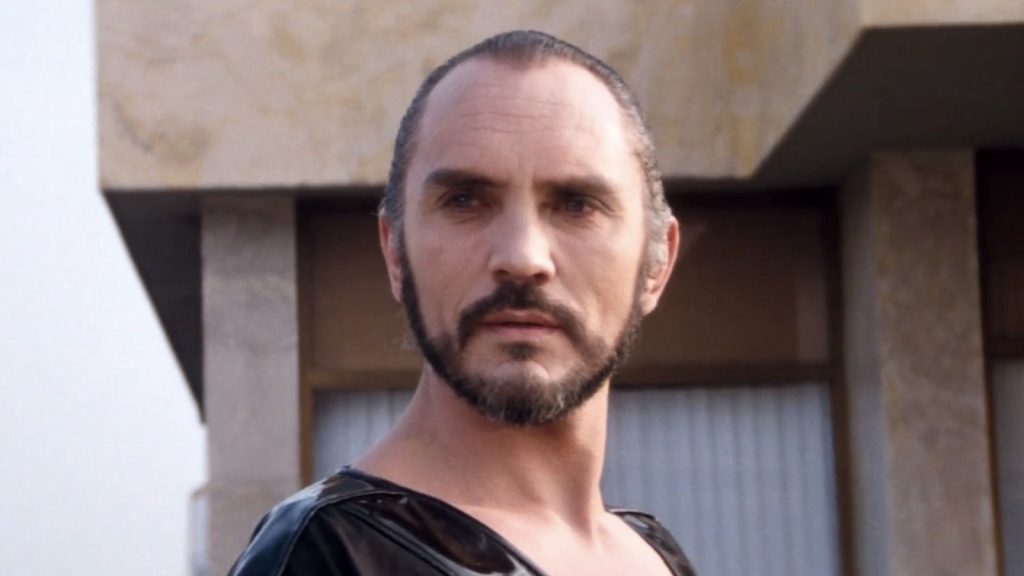
Superman II (1981) – What else is there to say except that Stamp rules supreme as General Zod. At times, he might be in a completely different, yet possibly superior movie, but somehow that makes everything that much more enjoyable. This may be the stand-out role he’s most associated with, and it’s not hard to understand why. From that outfit, to that voice, to the Shakespearean feel he gives the whole, superhero production (long before Loki, Thor, and the whole “Doth mother know you wear-eth her drapes? MCU thing), he’s perfectly cast. So much so that we really should be bowing, instead of kneeling, before Stamp himself, and not Zod.
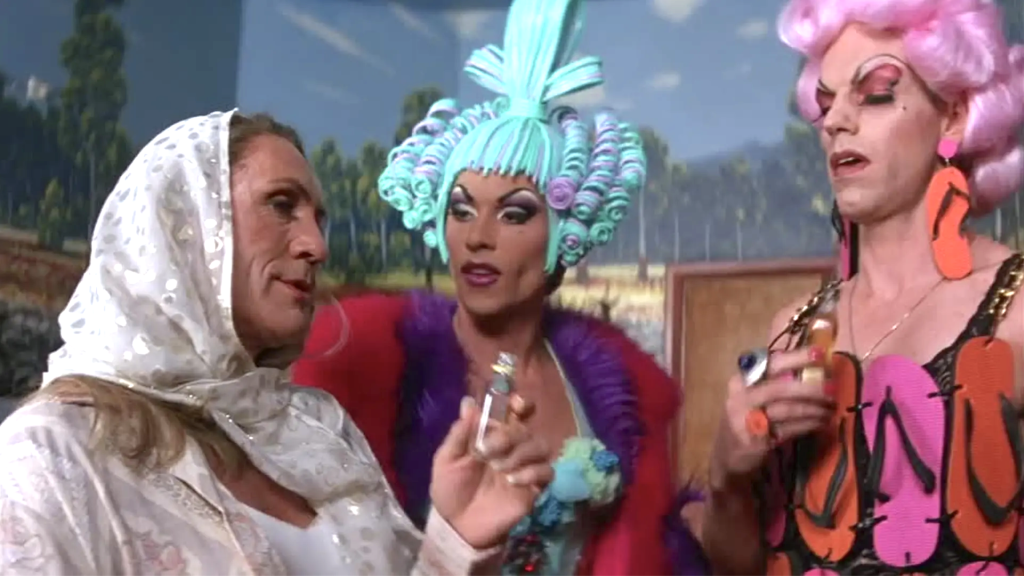
The Adventures of Priscilla, Queen of the Desert (1994) – Though Stamp continued making films throughout the ‘80s (Legal Eagles, Wall Street, Young Guns), it wasn’t until Priscilla that he regained his status as a major commodity. It may be hard for some to understand, looking back, but taking on the role of an aging transgender drag performer like Bernadette was something very few of their contemporaries would have even considered. The actor himself was trepidacious, though not because of the LGBTQ+ aspects of the film, but rather because the role was so far removed from anything he’d ever done before. He needn’t have worried, as Stamp’s performance ended up being one of 1994’s best, and he, Hugo Weaving and Guy Pearce formed one of the most entertaining on-screen trios you’ll ever come across. If produced today, Bernadette would likely (and rightly) be played by a transgender actress, but that doesn’t take away from the magnificence of Stamp’s engrossing performance. From opening to closing credits, you won’t regret putting this one on.
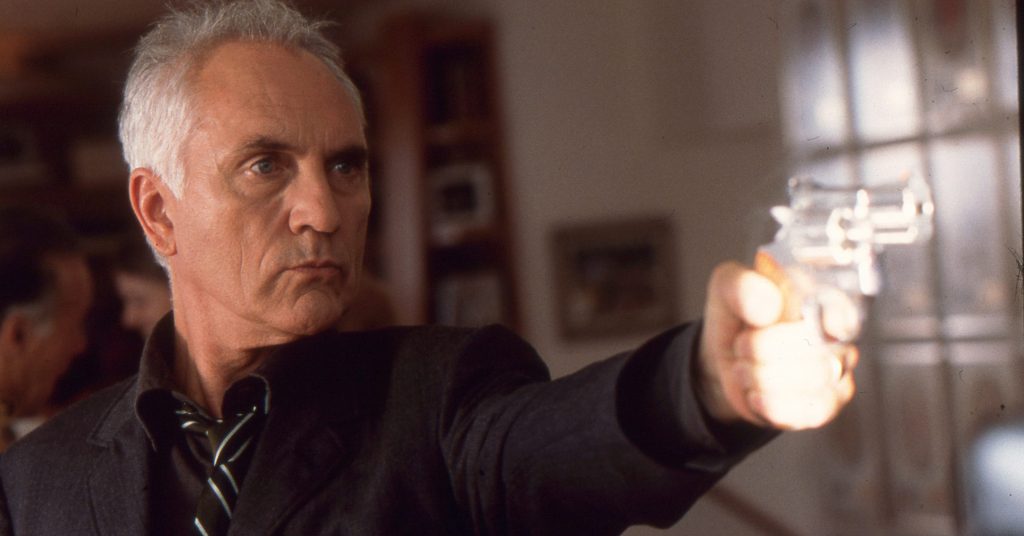
The Limey (1999) – Directed by Steven Soderbergh, The Limey is another part often associated with Stamp. The film follows the character Wilson (Stamp), a recently sprung English career criminal, as he travels to California to investigate the suspicious death of his daughter. Although the actor lost his Cockney accent at drama school, he gets to embrace it here in this gritty neo-noir showcase fully. It’s also a real find for film fans, as Soderbergh uses an early film of Stamp’s (Ken Loach’s debut, Poor Cow) for flashbacks and to fill in some of the shady character’s backstory. Although perhaps not the actor’s best overall film, it is one of the very few that allow Stamp to let loose and showcase his full breadth and depth of talent.
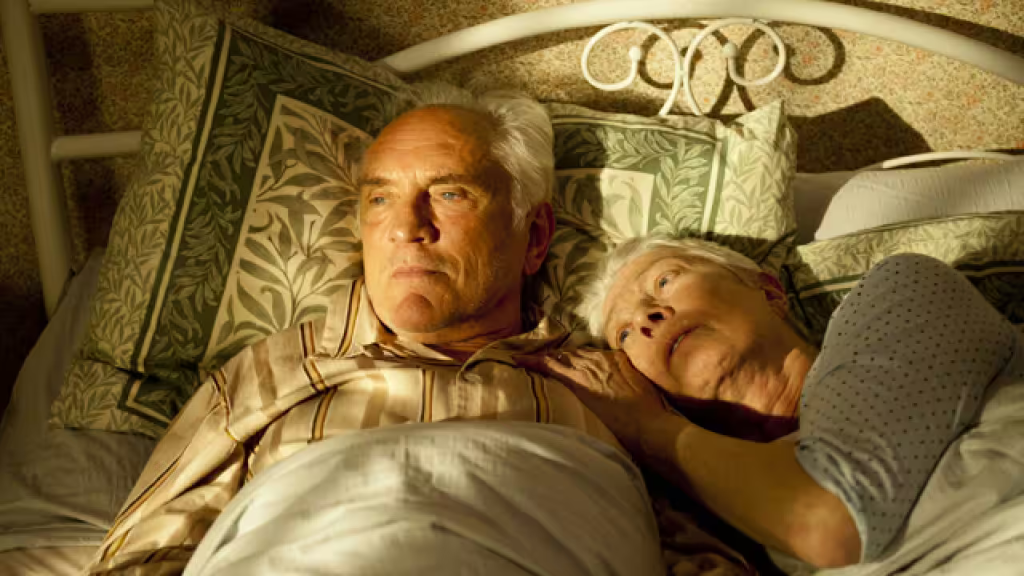
Song for Marion (2012) – When interviewing Stamp ahead of this film’s release, he talked to me about turning down the lead in Camelot and his resulting attempts to find another project that would allow him to work alongside Vanessa Redgrave. This film finally gave him that opportunity, and he was over the moon to star opposite one of his long-time favourite actors. A film about a curmudgeonly man (Stamp) who works to care for his terminally ill wife (Redgrave), as well as carry on her legacy with a local choir led by the charming Gemma Arterton, it nabbed the actor his last major nomination–a Best Actor nod at the British Independent Film Awards.
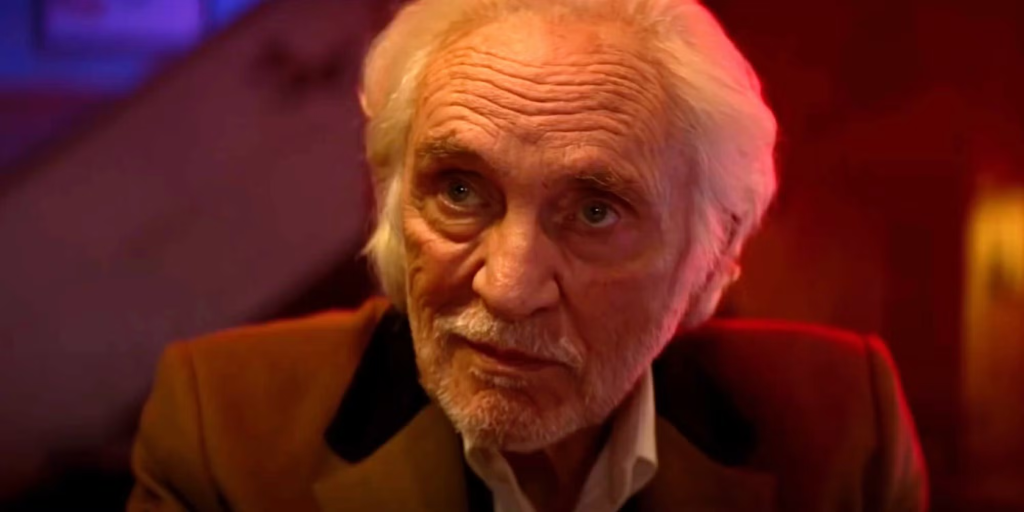
Last Night in Soho (2021) – Edgar Wright’s most recent film almost defies classification. Part fantasy, part psychological horror, even part mystery, the stylish festival favourite proved to be Stamp’s final credit. At the time, it was the last film of English actresses Diana Rigg and Margaret Nolan (the film is dedicated to both), but it now counts as Stamp’s swan song, too. A partial homage to the Swinging London of the Sixties, Wright smartly cast Stamp and others, such as Rigg and Rita Tushingham, precisely because they were so closely associated with the culture of the time period. Rounding out your essentials watch with this feature brings the actor’s impressive career full circle.
BONUS PICK:
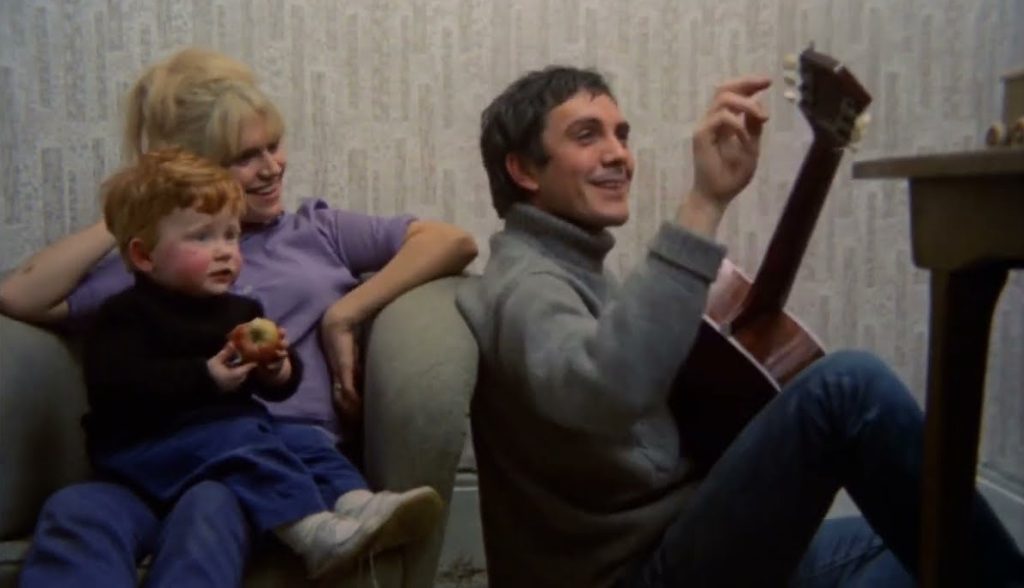
Poor Cow (1967) – Though not the most stellar of films, it’s notable because it marks auteur Ken Loach’s first feature film. Like many of Loach’s other films, it sets out to comment on England’s class system, but unlike most of his later work, Poor Cow doesn’t quite hit the mark. One critic called it “moody, poetic and artful”, while another wrote that “I would never have believed that a film with so much to offer could ultimately be so downright awful.” It’s hard not to be intrigued by any film with such divisive reviews, so why not take a chance and see where you fall in the discourse? It follows a young mother (Carol White) fleeing one abusive relationship and finding solace in another, before reality comes calling and forces her to choose between her dreams and reality.