

Only three months ago, Demon Slayer: Kimetsu no Yaiba – The Movie: Infinity Castle , the aptly, if awkwardly, named big-screen continuation of the long-running, fantastical adventures, broke box-office records, hauling close to $660 million (U.S.), an outsized number that would turn the head of any studio executive. It also signalled the oft-overlooked popularity of Japanese comics ( manga ) and Japanese animation ( anime ).
The arrival of Chainsaw Man – The Movie: Reze Arc , the big-screen sequel to the 12-episode animated series, itself an adaptation of the first arc of Tatsuki Fujimoto’s 2018 manga series, will likely confirm the commercial viability of big-screen anime for the second time since July. That much-anticipated debut, however, will come with at least one major caveat: Chainsaw Man – The Movie: Reze Arc was made not for newbies to the series or even die-hard anime fans. The standalone sequel was made for the series’s dedicated fanbase. Non-fans, however, will be almost completely lost.
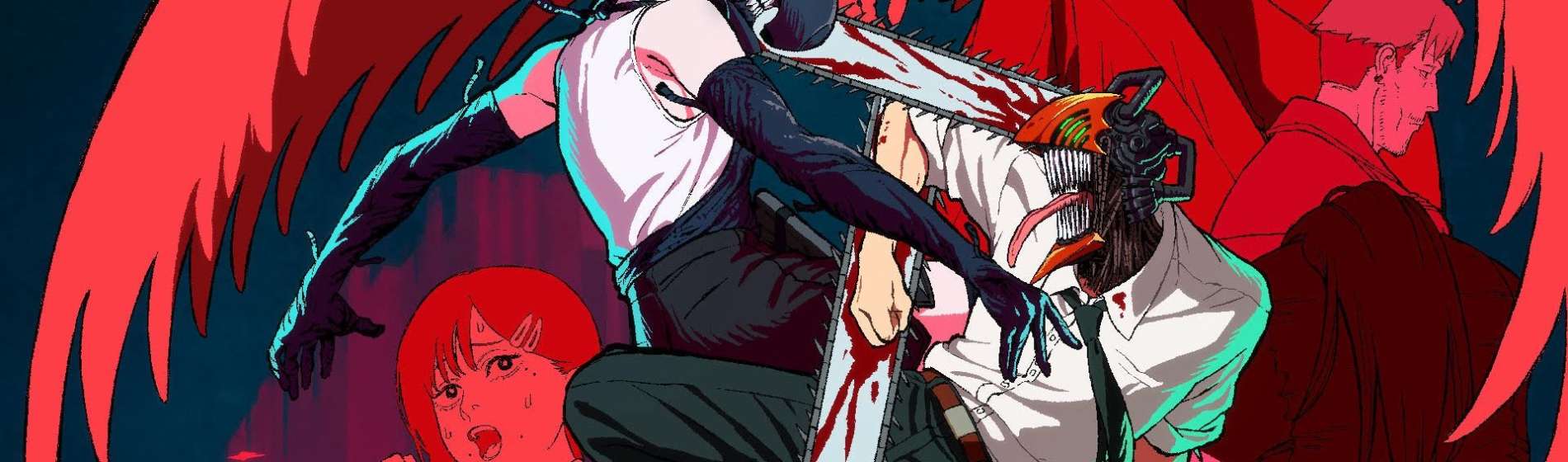
Setting aside the usual expository voice-over or title card, Reze Arc picks up almost immediately after the conclusion of the first season. By day, the title character, Denji (voiced by Kikunosuke Toya), looks like an ordinary 16-year-old, but he’s far more than what he appears. Thanks to an unexpected merger with a devil-dog, Pochika (heard, but not seen in an introductory dream sequence), Denji can transform into the bloodily destructive“Chainsaw Man.” In his super-powered form, Denji’s head and arms transform into chainsaws, slicing and dicing supernatural foes, like demons, or human/devil hybrids intent on all manner of limb-ripping mischief.
Typical of manga and anime aimed at younger audiences, Denji’s surface-deep personal life turns on whatever — or rather, whomever — captures his romantic attention. Part of a found family of so-called “Devil Hunters,” Denji’s romantic inclinations have gravitated toward Makima (Tomori Kusunoki), the team leader of a band of fighters that includes Denji; Makima; Aki Hayakawa (Shôgo Sakata); Denji’s sword-wielding rival, Power (Ai Fairouz); a hyper-active, horned Devil; and Angel Devil (Maaya Uchida), a nihilistic, borderline suicidal hybrid who becomes Aki’s temporary partner.
Collectively, they’re employed by the Japanese government to fight out-of-control devils under the auspices of the Public Safety Division. While Denji predictably pines for Makima, his current crush, even enjoying a day out at their local movie theatre, the other title character, Reze (Reina Ueda), a purple-haired, green-eyed cafe worker, enters the film. This introduction relegates Makima to the sidelines while an increasingly perplexed Denji mightily wrestles with his hormones.
Denji’s internal conflict to choose Makima or Reze, places Chainsaw Man in a quiet, even contemplative romantic mode that might confuse audiences eager to see Denji’s super-powered form emerge to wreak havoc on his supernatural foes. That he does isn’t a surprise or even a spoiler. However, that Reze Arc takes the better part of a slow-moving hour before Chainsaw makes his long-hoped-for appearance most certainly is, especially as Denji’s internal struggles become repetitive.
Once, though, a relatively chaste rooftop swimming scene involving Denji and Reze turns into an unexpected fight for survival, Reze’s secrets begin to spill out, and Denji, more often in his Chainsaw Man form, finds himself fighting the so-called Bomb Devil across an increasingly ruined Tokyo. They might be both vaguely human-sized, but their fight takes on kaiju-like proportions. In turn, that gives the animation team at MAPPA the license to bring every ounce of creativity to a nearly hour-long battle that comes close to matching the very best anime onscreen or live action.
The literal 2D explosion of sound and images–a sensory assault to some and the realization of anime dreams for others–will leave a lingering impression long after the end credits roll and the theatre lights return. In contrast to the unstoppable force of the Terminator-inspired Bomb Devil, Denji’s Chainsaw Man rarely stays down for long. It usually takes a little help from his devil-hunting friends, plus copious amounts of human blood. It’ll be up to audiences, however, to decide whether that’s a positive or a negative.