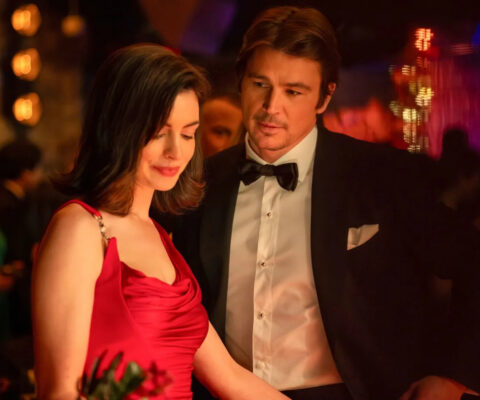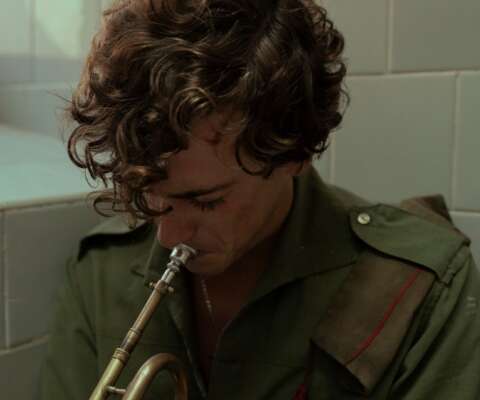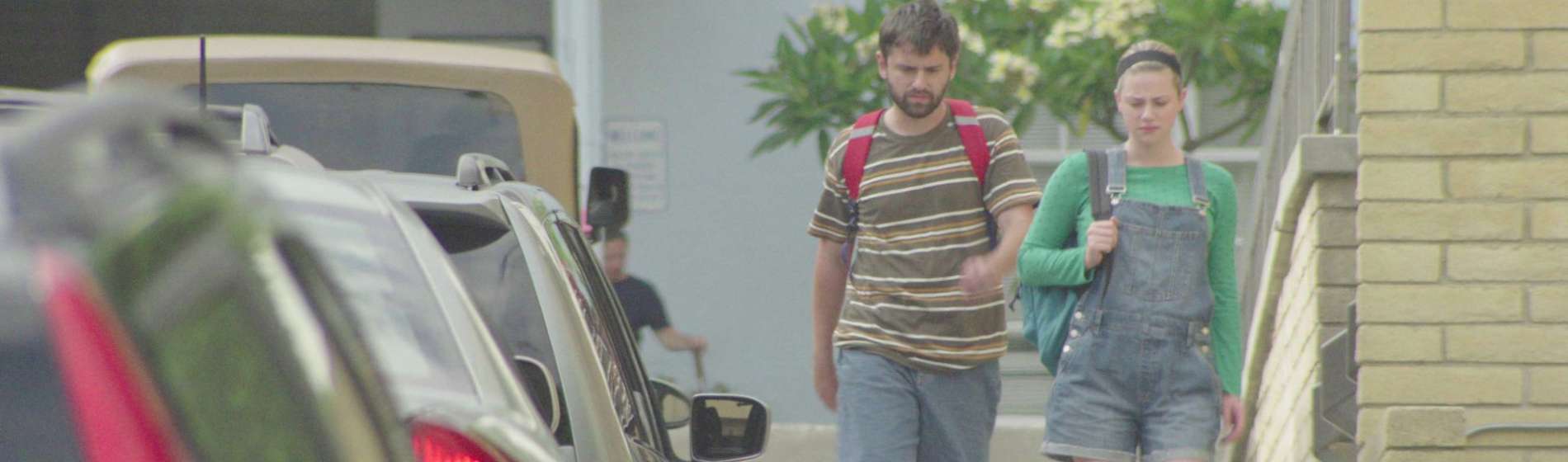


Do we ever let go of our younger selves as we grow up? That question lingers throughout Hal & Harper , an authentic family dramedy about the bond between two siblings. The series stars Cooper Raiff as Hal and Riverdale ’s Lili Reinhart as his older sister Harper as they experience the growing pains of adulting. While they both wrestle with relationship/situationship drama, their dad ( Mark Ruffalo ) has some newfound growing up to do of his own as his younger wife Kate (Betty Gilpin) becomes pregnant at the same time that he decides to sell the kids’ childhood home.
As the family comes together to support each other no matter what happens, the series sees Hal and Harper reflect upon their childhood years, the loss of their mother, and how their dad helped shape them into the people they are today. The series created and directed by Raiff ( Cha Cha Real Smooth , Shithouse ) features an ingenious twist as Hal and Harper reflect upon their formative years: in the flashback scenes, the adult actors play the characters’ younger selves. Grown up Hal and Harper interact with school-age children in the classroom, for example, imbuing their performances with childlike innocence and wonder. These memories filter through their dad’s own personal crisis as he looks back at the father he was to consider the parent he could be with the new generation coming into the family. The series, told with heart and humour, offers a natural and relatable family portrait that reminds us how we never have life all figured out.
That Shelf caught up with Raiff and Reinhart for a quick chat ahead of the release of Hal & Harper .
One thing I really love about the show is how you guys play Hal and Harper at very different ages. In what ways did playing them during their school age years inform your performances of them as adults?
Lili Reinhart (LR): For me, it was like playing two different characters, which was fun. We knew that little young baby Harper doesn’t have space for her own emotions. She has to carry the weight of her brother and her father on her back. That doesn’t leave her space for tapping into her own sadness or grief. When she’s older, she is more tentative to feel those things, but she definitely leans more on the side of frustration and anger rather than sadness. She’s a woman who harbours a lot of pain and I think you see that both in young Harper and “normal age,” call her “old” Harper. She’s got more tools, more regulations, techniques as an adult
Cooper Raiff (CR): For Hal, I think it’s the opposite. You see so much of his seven-year-old self in his twenty-two-year-old self, and they’re similar. I think that is the big difference: he really has not gone far in growth from fifteen years. But he does [grow].

So much of the show hinges between on the bond between you two and that sibling connection. Cooper, what made Lili the right choice for casting Harper? And Lili, what drew you to the part?
CR: Lili has a lot of depth. I had watched her in so many different things. I had watched her in interviews and there was something about her that I knew an audience would want to deeply invest in this person. Watching her explore all these parts of Harper and all these different feelings—the biggest compliment in the world that I could give her is that I never want to stop watching her. She feels like such a light through this tunnel of watching Harper try to grow.
LR: It’s the best thing I’ve ever read and have been sent as an actor: a three-hundred page document, which are now eight episodes. I was hooked from the pilot episode, but then getting to see that I could play a nine-year-old version of someone in the same project as an adult version seems like a once in a lifetime thing. And after meeting [Cooper], we got coffee in the Valley together a year before we shot, and it just felt like, “Oh, hell yeah. I could play this guy’s sister.”
The show has a running question with Hal and Harper asking what it means to be a good person. They say a few times, “You’re not a good person.” How has the show helped you answer that question?
LR: If you look at the show, Harper says “you’re not a good person” to Hal at the beginning. And ultimately she’s projecting and has a lot of resentment. The siblings in the show and the whole family, they’re so there for each other at the end of the day, even when they’re mad at each other. That says a lot about someone: how you hold space for them even when you’re pissed at them. I think that’s unconditional love.
CR: I think the show explores what it means to be a fully formed person as opposed to these different facets of showing up or being kind, or there has to be this individuation to be those things in the first place. I can be nice, but it doesn’t necessarily mean anything. I can show up, but am I showing up with my whole self? I think that’s what the show trying to say.
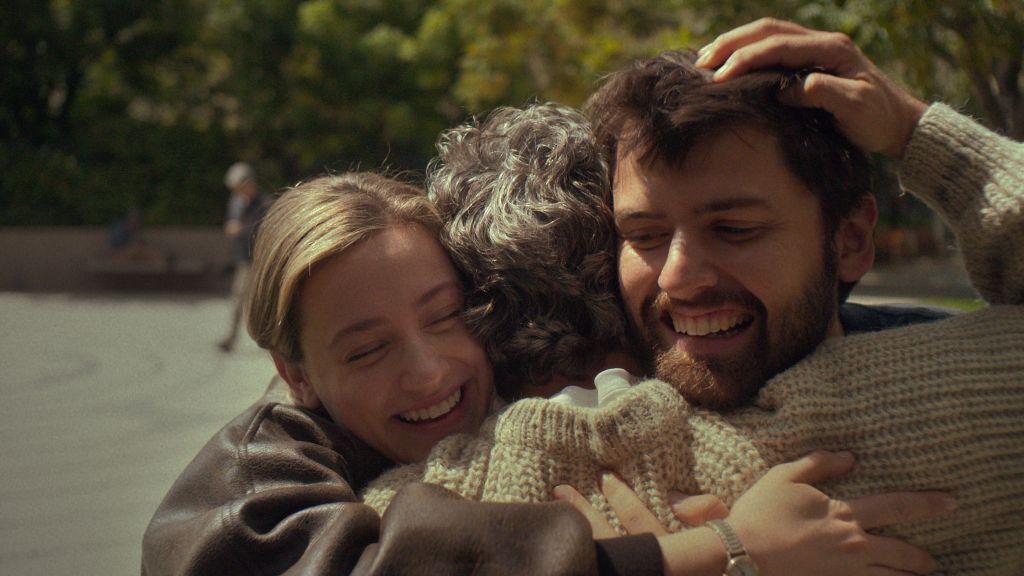
How has playing Hal and Harper helped you understand your own families?
LR: I’ve always had a really great family. Not that Hal and Harper don’t have a great family, but I have such incredible supportive parents and sisters. I’m the middle sister, and I really had a close bond with my younger sister growing up where I very much inserted myself into her life because I was antisocial and introverted and preferred hanging out with her and her friends rather than make friends of my own. I just have a really deep appreciation for a sibling bond. I wish I lived closer to my sisters. We’re all over the country. There’s nothing like a sibling bond and they’re going to be there when your parents aren’t. That’s going to be your family. You have to stick together to the people who know you throughout your whole journey, whatever your journey is. I’m sorry for the only children out there! [Laughs.]
CR: I’ve been with these characters and this story for so long, it’s taught me so many different things. It started in a place of thinking about my family as human beings, that because of our shared history and because of our lives, they inherently make me feel less alone in the world. They also hold me back in certain ways. I think now I’ve transcended all of that and am realizing that these are human beings who I share so much with. It’s such a special relationship and such a special unit that inevitably will change in so many different ways.