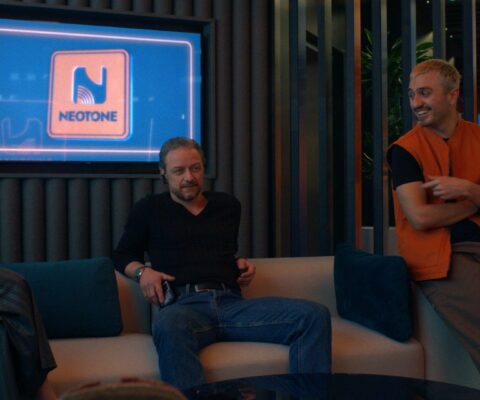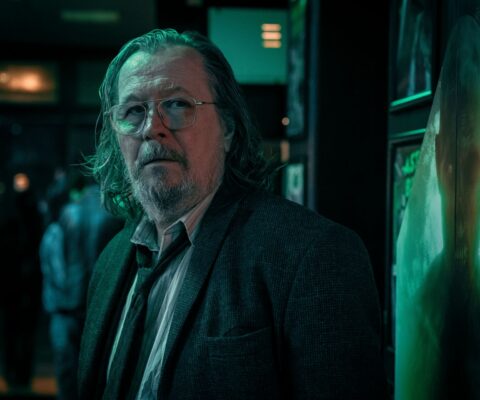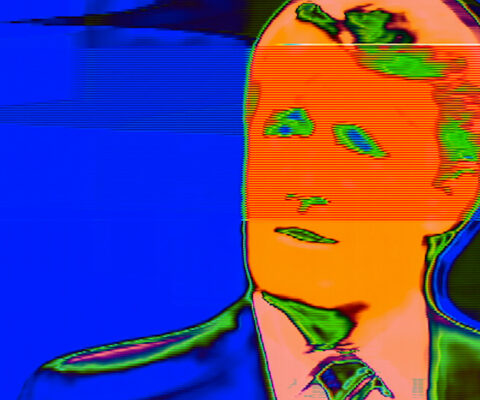



One of the fascinating things about families coming together is the roles that people effortlessly fall into. Regardless of how long they have been apart, the rhythms of established dynamics are too intoxicating not to sway to. It is this awkward, and often-unspoken, dance that takes centre stage in Jim Jarmusch’s bittersweet dramedy Father Mother Sister Brother .
Told over the course of three separate stories, and tied together by subtle interlocking themes, Jarmusch’s film brings viewers into the living rooms, dinner tables, and hollowed spaces where conversations form the family portraits that hang in people’s memories.
Starting off in small town in America, Jarmusch turns his lens towards siblings Jeff (Adam Driver) and Emily (Mayim Bialik) as they travel to visit their father (Tom Waits), who they haven’t seen since their mother’s funeral. Like investigators listening in on a wiretap, the viewer deciphers from the car ride conversation that the siblings are concerned with both their dad’s perceived mental health and the state of his ramshackle home. The latter of which has placed a financial burden on the siblings that has negatively impacted relationships with their significant others.
Sitting in their dad’s messy home, filled with scattered papers and sheets covering “old” furniture, everyone seems to be playing a part. Jeff, always eager to please, can’t wait to go through the high-quality canned goods he has brought his dad and soak up any praise he receives; the sarcastic Emily, still filled with unresolved anger, drops passive aggressive comments about their father’s lack of parental responsibility in their youth; and their dad continues to play coy and keep secrets close to the chest. Claiming to simply want enjoy the family time together, their father repeatedly dodges questions about his life, finances, and the Rolex on his wrist that he claims to be fake.
A symbol that muddies the waters between pauper and princes/princess, the Rolex becomes is an important motif in Father Mother Sister Brother .
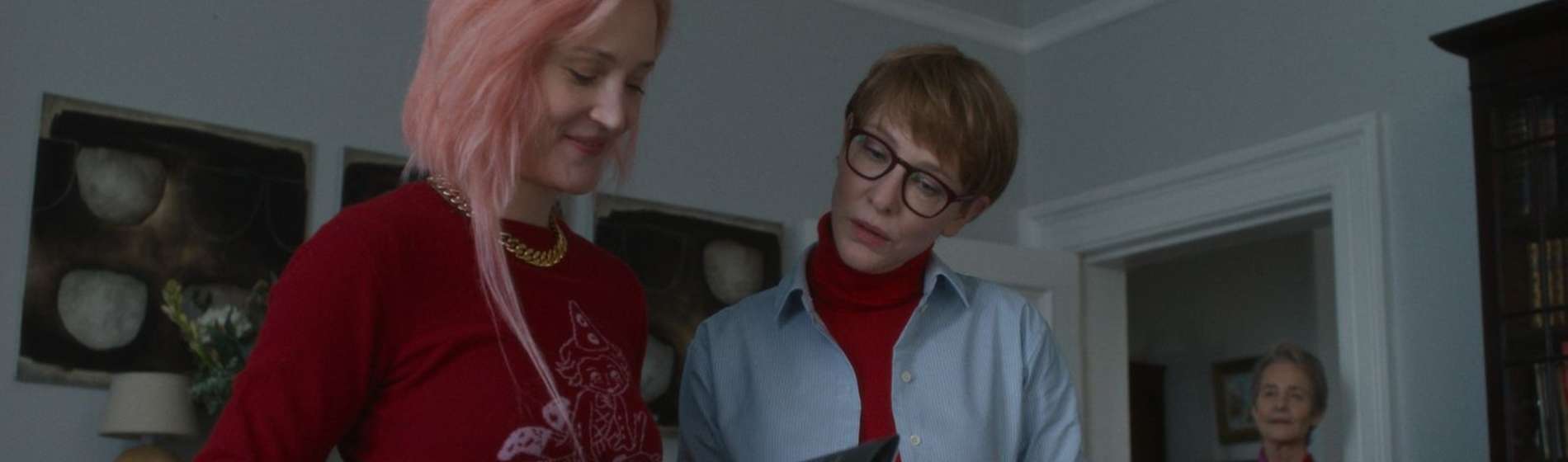
The watch reappears in the film’s matriarchal-focused second segment, titled “Mother”. Here, Jarmusch introduces viewers to a mother (Charlotte Rampling) lamenting the arrival of her two daughters, Timothea (Cate Blanchett) and Lilith (Vicky Krieps), for their annual tea gathering in her Dublin home. A tradition of obligation rather than joy, she knows it will not take long for her girls, especially Lilith, whom she worries about the most, to make things uncomfortable.
Vastly different in almost every way, Timothea dresses conservatively and enjoys simple pleasures, while the pink-haired Lilith tries to convey a life of excess, including pretending her friend Jeanette (Sarah Greene) is her Uber driver; the unspoken competition between the sisters is apparent. Timothea cannot even share the news about her new promotion at work without her younger sister upstaging her about her own piece of good news. It’s as if Lilith is playing a tennis match where each point scored brings her closer to the trophy that is her mother’s affection.
If the first two segments highlight the awkward and performative dynamics that keep parents and children from untethering their emotional ball of twine, then the final story offers a sombre look at the void left when one of those variables is removed.
Returning to the Paris home of their recently deceased parents, twins Skye (Indya Moore) and Billy (Luka Sabbat) attempt to find a semblance of closure before the place is sold due to back-owed payments. Perusing the few remaining items left behind, including fake IDs and their father’s Rolex, the reunited siblings discover new facts about their parents and reconnect over memories that will forever keep their folks alive in their hearts.
It is the twins’ story that perfectly brings together all the various tensions and emotional strands in Father Mother Sister Brother. A subtle and unassuming work, the charms of Jarmusch’s film do not immediately reveal themselves. Truth be told, it was only upon second viewing that the cloud of expectation, especially since the film won the Golden Lion at the 82nd Venice International Film Festival, cleared, and the film’s natural light shone through.
While the subject matter may lead some viewers to expect an ocean of grand emotions, the film happily swims in the lake of mundane life.
By providing vignettes that speak to everyday life, with Timothea’s car breaking down serving as the height of action in the film, Jarmusch quietly lulls viewers into the familiar rhythms of family life. The need for praise, the quiet resentment, the truths that only reveal themselves after death all ring true.
Skillfully blending moments of genuine humour, the reveal at the end of the “Father” segment being a perfect example of this, with moments of reflection, the famed filmmaker constructs a film that is gentle and distinctively Jarmusch. As with many of his films, there is much left for the audience to decipher, such as the recurring imagery of skateboarders. However, unpacking the film’s quiet rhythms is part of its charm.
A subtle and bittersweet work, Father Mother Sister Brother understands that family dynamics can be equally awkward and sombre at times, but they will forever hold a special place in our hearts and minds.
Father Mother Sister Brother is out in limited release beginning December 24, before expanding nationwide on January 9.