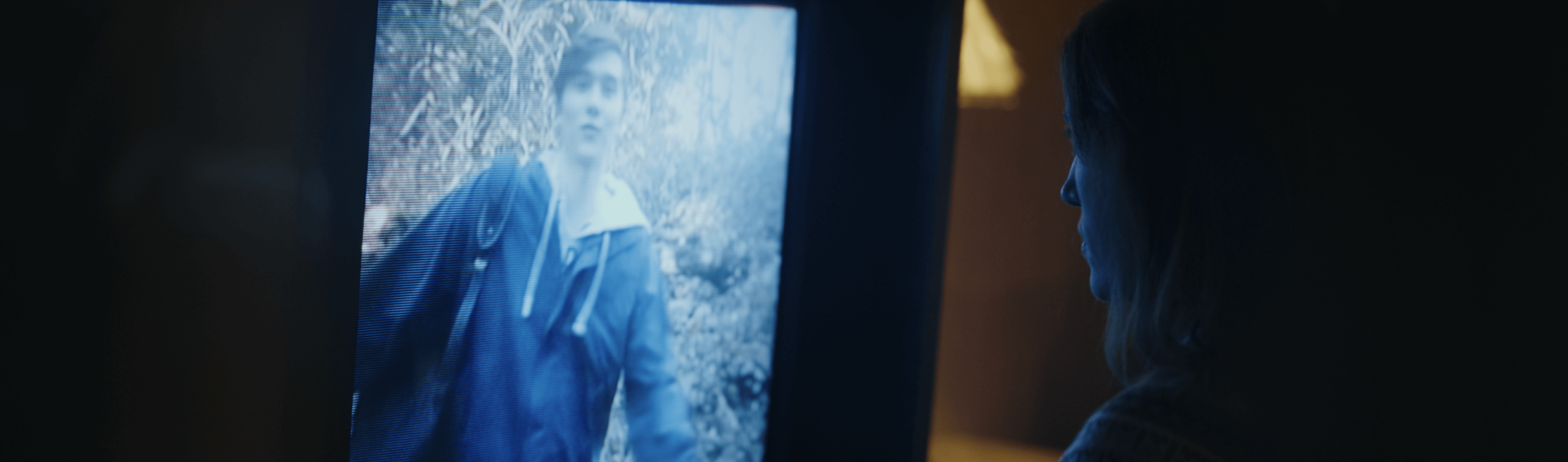


“Vancouver Island has the highest number of missing persons per capita in Canada ”¦ And no one knows why.”
That chilling statement opens the film Hunting Matthew Nichols and sets the stage for the events to unfold.
The film tells the story of the mysterious disappearance of Matthew Nichols and his friend Jordan Reimer, two teenagers who vanished without a trace in October of 2001. Decades later, Matthew’s sister Tara and filmmaker Markian Tarasiuk set out to solve the mystery of what happened to Tara’s brother and his best friend. Along the way, they uncover a strange and disturbing piece of evidence that leaves them thinking perhaps Nichols is still alive, and sets them on the hunt to uncover the truth.
It’s a fantastic premise (written by Sean Harris Oliver and Markian Tarasiuk), bolstered by an extremely effective marketing campaign that drew me in hook, line, and sinker. Yes, I was acutely aware that this was a “mockumentary” found-footage movie, but I am a big fan of the genre, and the filmmakers did a great job of selling it. The unfortunate thing is, they never quite manage to deliver on their promises.
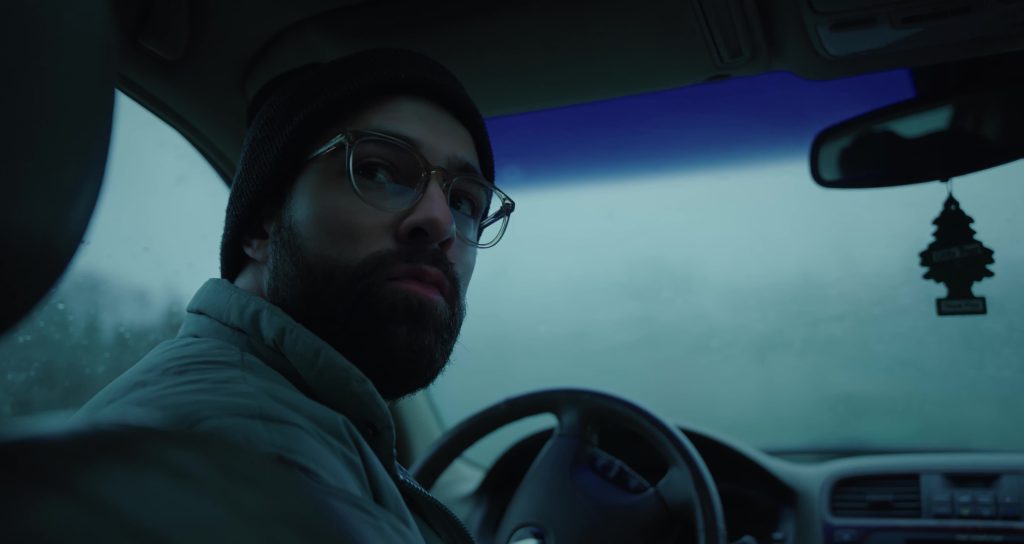
The director, Markian Tarasiuk ( Supernatural , Surface ), has stated that he was influenced by movies like The Blair Witch Project and The Ring , and those influences are clearly evident in the film. The Blair Witch , in particular, is referenced multiple times through dialogue and plot, and eventually even borrows beats from the film. Tarasiuk also speaks of wanting to blur the lines between “archival and found footage,” and, in that regard, the film is a slam dunk. It makes fantastic use of real home video footage, as well as recreated footage to blur that line between the real and the manufactured. The film’s first act perfectly replicates the editing rhythms and visual language of Netflix’s true-crime documentaries.
Sadly, it’s during the film’s second and third acts that things start to feel too staged and contrived, resulting in a film that reads more like a narrative feature than a true “documentary”. This was disappointing because when the found-footage element works, it really works . But the filmmakers seem unwilling to commit to the bit, and that’s when the film falters.
The key to a successful found-footage film is to really nail the conceit: who found the footage? How and why was the footage shot? Why are we now able to watch the footage? Why on earth are people still recording? When the film is presented as a Netflix-style true-crime documentary in the first act, it’s absolutely nailing all these details. But when it moves into a more verité, direct-cinema approach, we start to ask questions. Why are these filmmakers filming themselves? Who found this footage? Why on earth would they do that !?
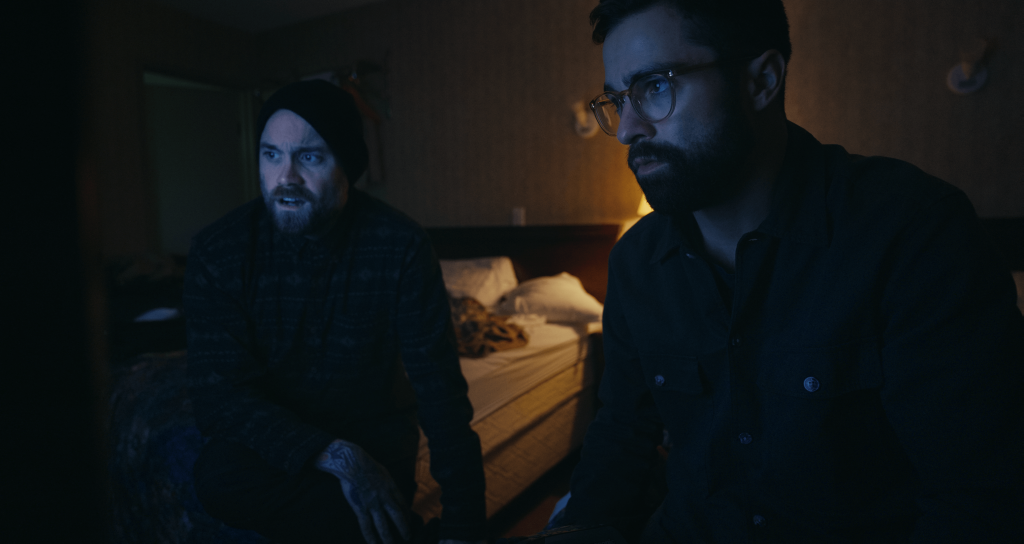
Perhaps one of my favourite moments in the film is when the director character (Tarasiuk, playing a version of himself), and the film’s “cinematographer” Ryan (played by Ryan Alexander McDonald, who is not to be mistaken for the film’s actual cinematographer Justin Sebastian) watch the missing cassette tape that begins to unravel the mystery at the heart of the film. During this sequence, we simply watch the two characters’ faces as they screen the footage. We never see what they see, and only see their reactions; reactions that oscillate between boredom and terror. It’s a truly effective moment that is completely undone by the end of the film when the filmmakers insist on eventually revealing the footage.
This is at the heart of where the film (and many films like it) both succeed and fail. When it’s more grounded, the horror is amplified and genuinely chilling, and when it feels the need to up the ante by showing you what happened, it completely sucks the air out of the scare.
It also doesn’t help that it makes so many direct references to the gold standard of found footage horror films, The Blair Witch Project . Not only are the characters in the film aware of (and fans of) it, but it also becomes a key plot point. The film riffs on the events of Blair Witch so much that you cannot help but draw direct comparisons to it, and the simple fact is that Blair Witch not only did it first, but did it better.
Another key to a successful found-footage movie is having actors who feel more like real people than like actors . For the most part, Hunting Matthew Nichols succeeds in that regard. Director Markian Tarasiuk does a fantastic job of playing “himself,” making him feel like a real person tasked with uncovering this story. Christine Willes is very believable as the investigating officer responsible for the original disappearance case, who is pushed to the edge when the filmmakers challenge her account of the events. Perhaps the best performance comes from Susinn McFarlen, who plays Matthew’s mother, Brenda. Perfectly capturing the feeling of a mother being interviewed for a true crime documentary decades after a traumatic event has passed, speaking with clarity but also a sense of acceptance of the horrors she went through. Every moment she’s on screen is not only believable but truly moving.
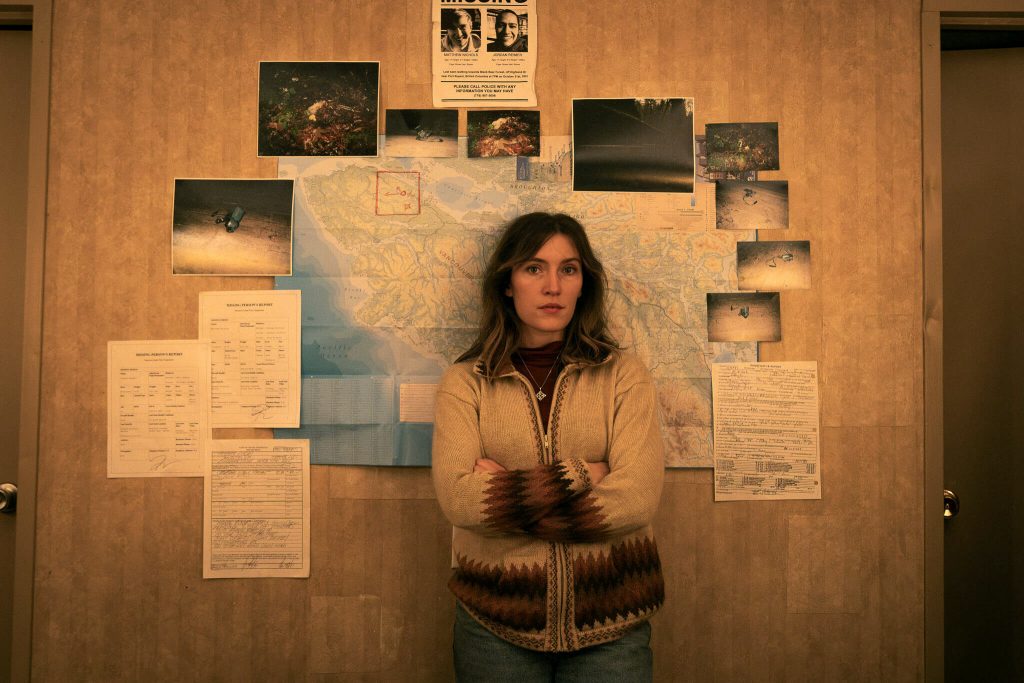
The weakest link, unfortunately, is the film’s lead, Miranda MacDougall. She plays Tara Nichols, Matthew’s sister and the one who sets all these events in motion. She is central to both the investigation and the film itself, so for the film to work, you absolutely have to buy into the performance, and I simply could not. It’s not that she’s a bad actor – on the contrary – but her performance feels like it’s exactly that: a performance. An actor putting on a show. She doesn’t manage to feel like a real person, experiencing these events in real time, with cameras just so happening to capture it all.
This isn’t to say the film is an abject failure. There are many moments that are incredibly effective and get under your skin. There are some fantastic uses of visual effects, and the film’s (real) cinematographer, Justin Sebastian, does a phenomenal job of capturing the look and feel of both a glossy, highly produced true-crime doc and the stripped-back verité look of a found-footage mockumentary. One also has to applaud and feel encouraged by the film’s independent nature, especially in the Canadian cinema landscape. And the core conceit is genuinely compelling. Which is why it’s so disappointing that the film couldn’t quite stick the landing. There’s enough creativity and inventiveness here that I am excited to see what this filmmaking team does in the future, and again applaud the marketing for its creativity and ability to completely hook me. I just wish they had picked a direction and stuck with it.
Hunting Matthew Nichols may not reinvent the found footage genre as its outstanding marketing might suggest, but it does have some chilling moments and imagery that will stick with you long after the credits roll.
Hunting Matthew Nichols is now playing in select theatres.