


Some people find it impossible to stand by silently in the face of oppression. Where open protests are too dangerous, they may find other ways to express their opposition. It may be subtle or on a smaller scale, but it feels better than doing nothing at all. When a group of people who feel similarly get together, they may be able to combine their efforts for more compelling expressions of their dissent.
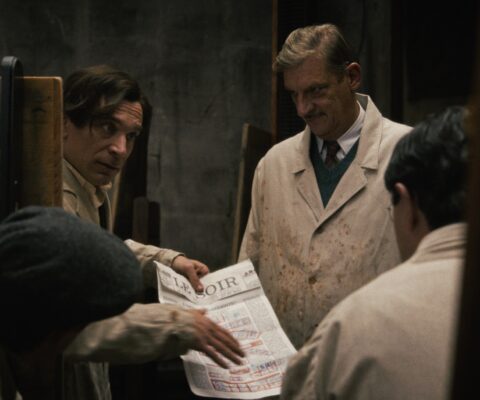
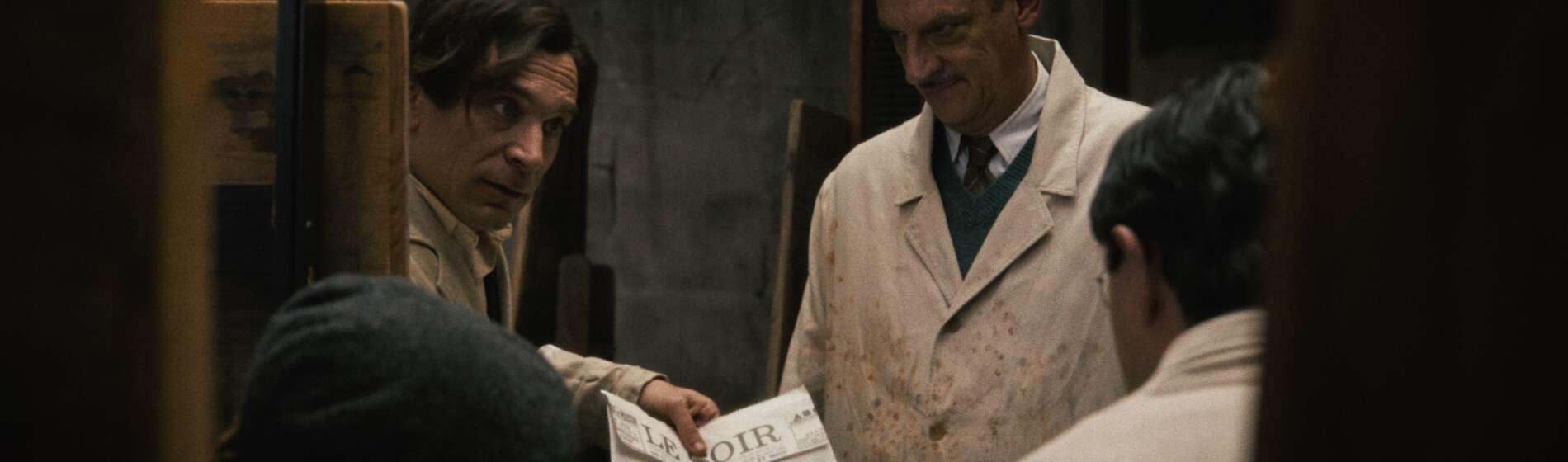
One of the cleverest acts of protest occurred in Belgium during World War II. Le Faux Soir chronicles a resistance organization’s scheme to replace the content of a propaganda newspaper.
In 1943, Nazi Germany was occupying Belgium with its signature iron fist. But that didn’t stop people from performing little acts of rebellion. For many, it was worth the risk to keep their spirits alive. However, the Front de l’Indépendance (FI) decides it’s time to do something that will get the country’s attention and really stick it to the enemy. Corresponding with the 25th anniversary of Germany’s loss in World War I, members of the FI decide to distribute a parody version of the propaganda publication, Le Soir. It’s a logistical nightmare and they have less than a month to execute their plan. But their commitment to succeeding is unwavering.
The film is based on a true story. Several members of the FI worked together to distribute 50,000 issues of a one-time-only fake Le Soir across the country on Tuesday, November 9, 1943. Newspapers were circulated in the afternoon for people leaving work, so it gave the FI plenty of time to get the imposters to newsstands and ensure they sold before authorities could notice the content. They went to great lengths to make sure it looked exactly like the actual publication at first glance. But once Belgians began reading, they delighted in the humorously subversive articles.
One of the most interesting aspects of FI is that its members come from every walk of life. There are blue collar workers, scholars, lawyers, thugs, and everyone in between. And they require all of their expertise and connections to make the plan work. Le Faux Soir reveals little about their lives outside the resistance since they use pseudonyms and avoid forming personal relationships. The precautions are part of a necessary safeguard to protect other members if someone is taken in for interrogation. Their restraint results in a well-run underground network capable of effectively carrying out such an intricate operation.
However, in spite of their anonymity, the film still manages to endear audiences to the characters. Their personalities are each unique and engaging, and their shsred passion for the cause is evident. Watching their commitment and ability to adapt when obstacles arise is inspiring. Everyone is aware of the consequences if the Nazis discover their involvement before, during, or after piblication, but no one falters.
To that end, there’s some pretty obvious foreshadowing about how the authorities may identify the rebels. While it takes the wind out of audience’s sails to some degree, it doesn’t diminish their admiration for the participants’ efforts and courage. The intensity is high as they count down to the big day. There are many moving parts, which makes it feel like a heist movie. If even one component fails at any point, the whole plan falls apart and they would have to abort.
During the Nazi occupation, there were many small acts of rebellion. The film is a thrilling account of one of the most public, non-violent displays of opposition.
Le Faux Soir premiered at TIFF 2026 on September 10.
Head here for all our That Shelf TIFF 2026 coverage.