



There may not be enough superlatives to describe the life and career of Robert Redford adequately. For many years, he was the biggest film star on the planet. Handsome, self-assured, and charismatic, he was equally adept at comedy and drama. After his blockbuster role in Butch Cassidy and the Sundance Kid, he had his pick of starring roles and headlined hit after hit—from epic romances like The Way We Were to espionage thrillers like Three Days of the Condor.
But Redford was far more than a pretty face. As Ron Howard stated today in a tribute, Redford was an “artistic gamechanger”. Throughout his career, he often chose to tell stories with “cultural weight” and challenged viewers to engage with content that mattered, like All the President’s Men and The Candidate. Then, at the peak of his acting fame, he chose to step behind the camera to direct the future Best Picture Oscar winner Ordinary People and also used his influence to establish the Sundance Institute and its annual film festival. The latter has proved essential to filmmakers and filmmaking over its forty-seven-year run, building a creative community and serving as a training ground for up-and-coming storytellers, and almost single-handedly making U.S. indie cinema both popular and commercially viable.
Outside of the industry, the multi-hyphenate also devoted his time to a number of political causes close to his heart, including environmental activism and protection, Native American and LGBTQ rights, and access to the arts. Never content to rest on his laurels, he had little interest in confronting his legacy, telling The New York Times in 2018 that he was “just interested in moving forward. Legacy means looking back, and I tend to not do that.”
But as we reflect upon his passing, it’s hard not to recognize all that he has left behind. From the impact of his championing independent cinema and ideas, to six decades of impressive starring roles, which stand ably alongside his many impressive films as a director and producer (A River Runs Through It, Quiz Show, and more), Redford was a powerhouse combination of talent, philanthropy, and intelligence that we’re unlikely to experience ever again. He was admired by so many in the industry, for all that he accomplished, even maintaining life-long friendships stemming from even his earliest collaborations with heavyweights like Barbra Streisand, Jane Fonda, Natalie Wood, Sydney Pollack, and Paul Newman
As we often do at times like this, we’re taking the opportunity to look back at the actor’s best roles in front of the camera. Films that showcase his natural abilities and versatility, while demonstrating exactly why he became the most popular and sought-after star of his time. If you manage not to get lost in those unbelievable baby blues, you’ll quickly understand why the loss of the actor is so substantial, but also why he was truly one of a kind.
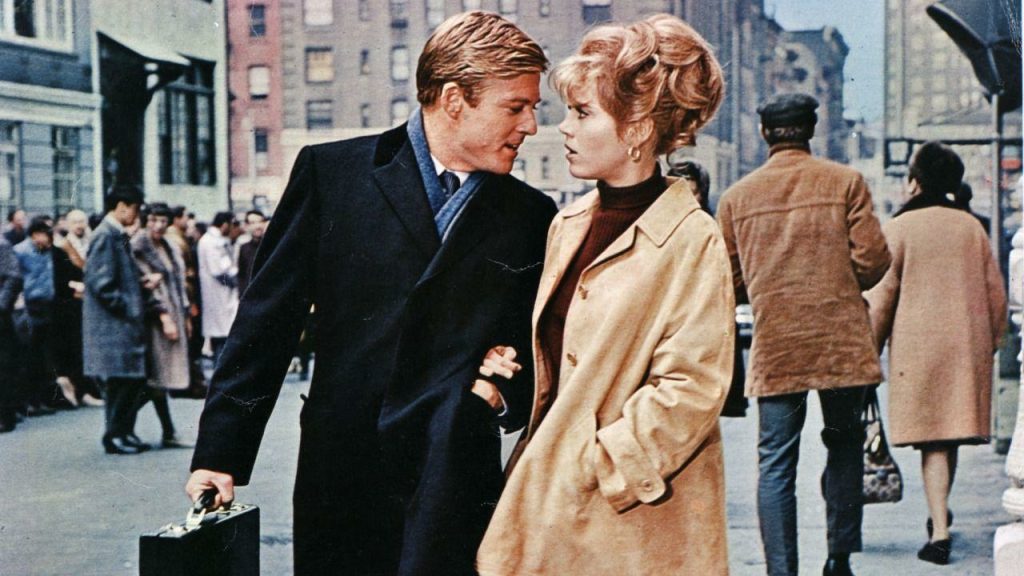
Barefoot in the Park (1967)
It’s safe to say that when people think of Robert Redford, they may not think of comedy. Which is a shame, because his timing and even slapstick abilities are impeccable. So treat yourself to this gem of a film that sees Redford take on the role of tight-laced young newlywed Paul Bratter, opposite his free-wheeling, more bohemian wife Corie (played by Jane Fonda). It’s pure delight watching the two stars on the cusp of superstardom expertly taking on the rapid-fire dialogue and physical comedy of Neil Simon’s cinematic adaptation of his Broadway hit (which also starred Redford). As the couple’s relationship is tested by reality and chaotic situations, Paul’s careful perfection begins to crumble…and watching Redford try (and fail) to cope is a cinematic gift to movie-goers.
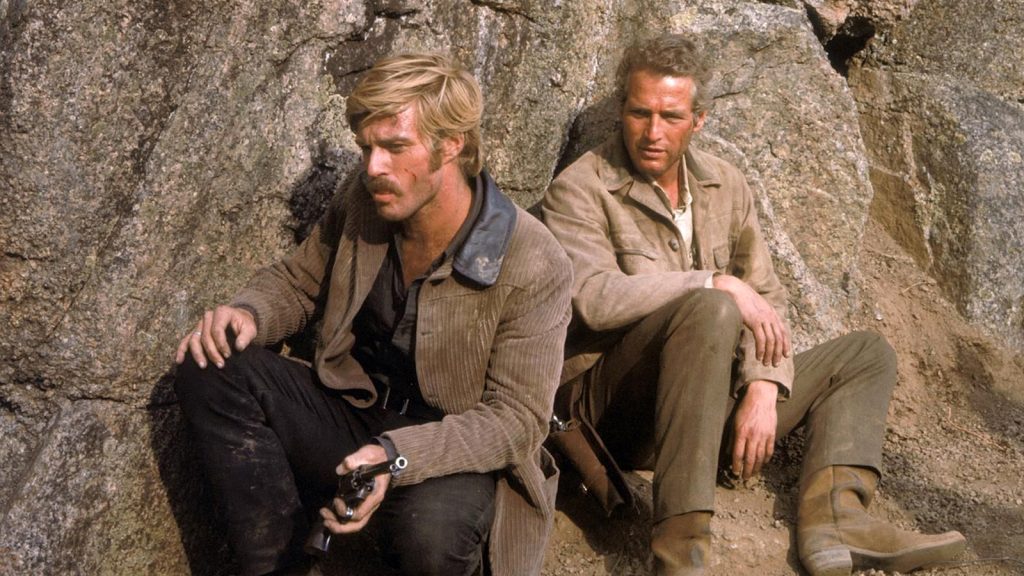 Butch Cassidy and the Sundance Kid (1969)
Redford’s first blockbuster success, the star took on the role of the titular “Sundance Kid,” a.k.a. Harry Longabaugh, opposite Paul Newman’s “Butch Cassidy”. The story of the iconic outlaws tracks them through fist fights, creative robberies, a great love, and a life on the run in South America. Due to the film’s inspired casting, the depicted friendship is one of the most entertaining to ever hit the big screen, and — due to William Goldman’s sharp script and Burt Bacharach’s needle drops — the film itself is one of the best to come out of late-’60s cinema. Redford also named it as his favourite of all his roles, when speaking with Entertainment Tonight in 2015.

The Candidate (1972)
In what might be Redford’s best role, he stars as idealistic young left-wing candidate Bill McKay–a man hand-picked by slick senate campaign manager Marvin Lucas (Peter Boyle). As the campaign progresses, McKay allows the political machine surrounding him to water down his message in order to gain an advantage with voters. He soon goes from underdog to front-runner, and it makes McKay question everything he stands for. Is it better to compromise to get your foot in the door or to stand firm on your platform? This deep dive into contemporary politics was as relevant then as it is now, and it just happens to contain one of Redford’s very best performances.
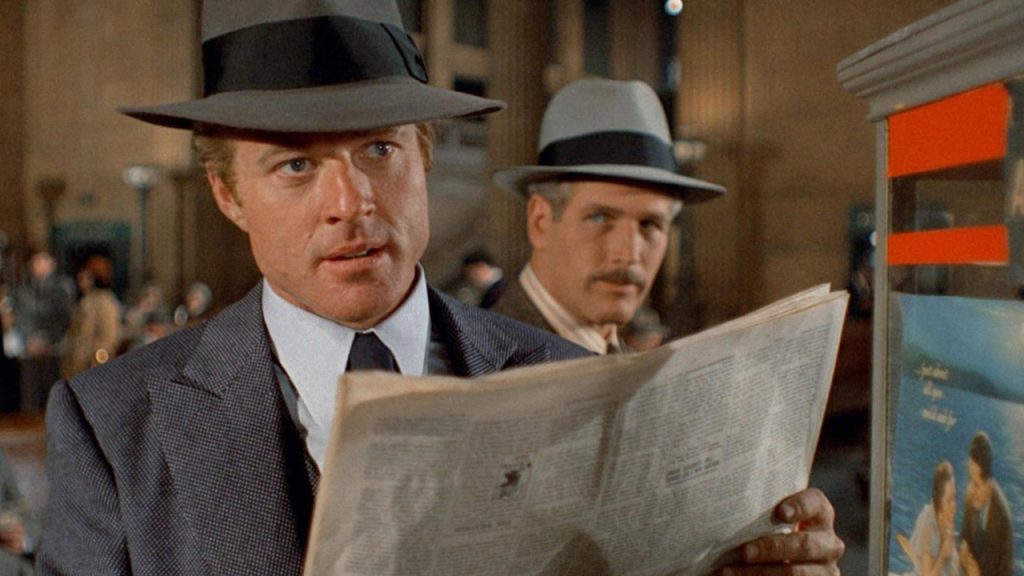
The Sting (1973)
Stylish, charming and slick (in a good way), The Sting marked Redford’s second pairing with Paul Newman and director George Roy Hill and they struck gold again. This outing sees the two blue-eyed stars take on the roles of con men Johnny Hooker (Redford) and Henry Gondorff (Newman), as they work together to take down a notorious and ruthless mob boss, Doyle Lonnegan (Robert Shaw). The Sting’s big set piece set the bar for cinematic swindles, not to mention on-screen bro-mances (between this and Butch Cassidy). Add in Scott Joplin’s ragtime score and a supporting cast of fine character actors, and it’s easy to see how this became the first of the actor’s films to take home the Best Picture Oscar.
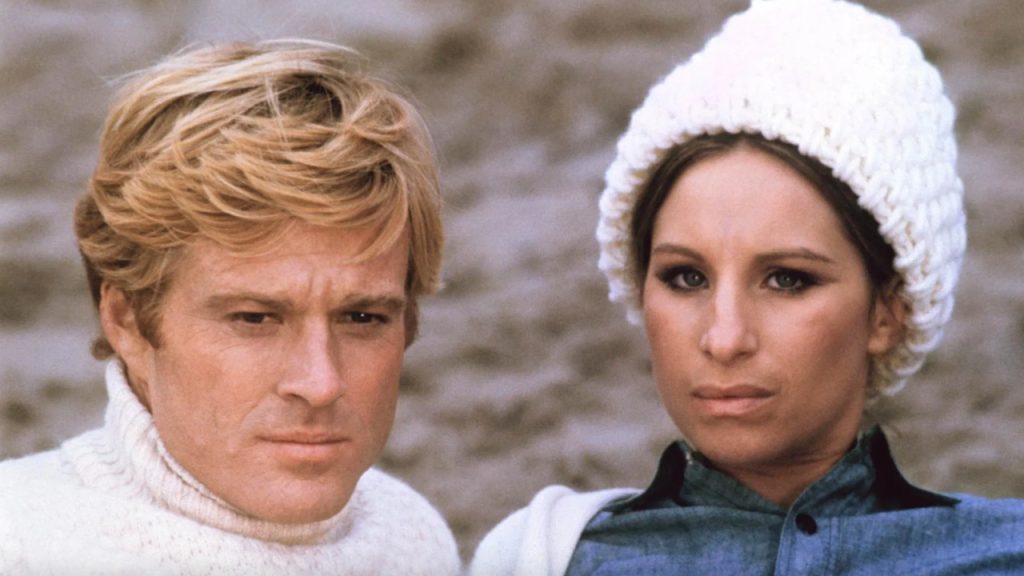
The Way We Were (1973)
One of the most iconic love stories to ever come out of Hollywood, Redford and co-star Barbra Streisand light up the screen as an unlikely, but often volatile couple who discover sometimes love isn’t enough to bridge the emotional gaps. The actor is perfectly cast as Hubbell, an all-American WASP with a talent for writing but a penchant for taking the easiest path, while Streisand is Katie a staunch anti-war Marxist Jew who barely allows herself a breath between fighting for the causes she passionately believes in. Their connection is undeniable, and their scenes together magnetic. It’s bittersweet and beautiful, with a killer theme song, and it’s hard to imagine any other actors in the lead roles. It sometimes gets a bad wrap as overly schmaltzy, and it certainly has its moments, but there’s more to Sydney Pollack’s film than it’s given credit for.
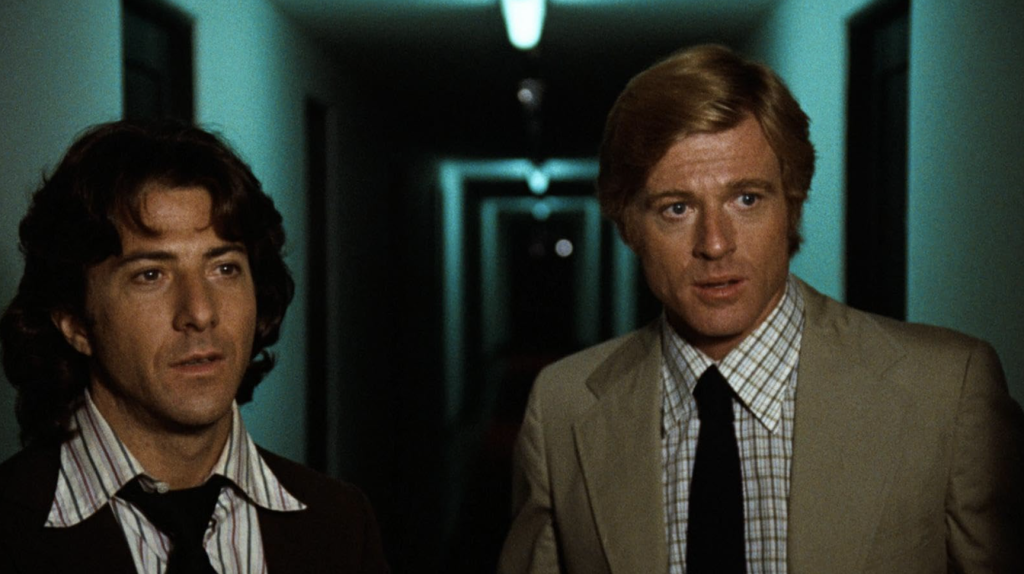
All the President’s Men (1976)
Seemingly more relevant with every passing day, Alan J. Pakula’s look at the Watergate scandal, and the investigative journos from The Washington Post who uncovered it, is positively gripping. It was Redford himself who suggested Bob Woodward and Carl Bernstein write about their experiences, and who also bought the book’s rights for the film adaptation. Redford took on the role of Woodward, while Dustin Hoffman played Bernstein. It’s a timeless and searing detective story that lays out exactly why a free press is so essential, and why truth and factual responsibility should be their main objective. We can also thank screenwriter William Goldman and All the President’s Men for introducing the wise adage “follow the money”. A great tip for almost any situation.

Jeremiah Johnson (1977)
More than just a meme (and yes, it is Redford and not Zach Galifinakis as the viral nodding man), Jeremiah Johnson was one of the actor’s favourites of his films. Filmed in and around the actor’s adopted state of Utah, it follows Mexican War veteran Johnson (Redford) as he turns his back on society and heads into the Rocky Mountains to become a trapper. Though most Indigenous roles are played by non-Indigenous actors, as was still the unfortunate custom at the time, there is still other elements that hold up and make it an enjoyable watch. More than just a standard revenge tale, Johnson was “vibes” before that was ever a thing. In fact, it’s fair to say Redford was also a “vibes” guy in the 1970s and it would be hard to argue. The film, based around a true story, was the second of six collaborations with director Sydney Pollack.
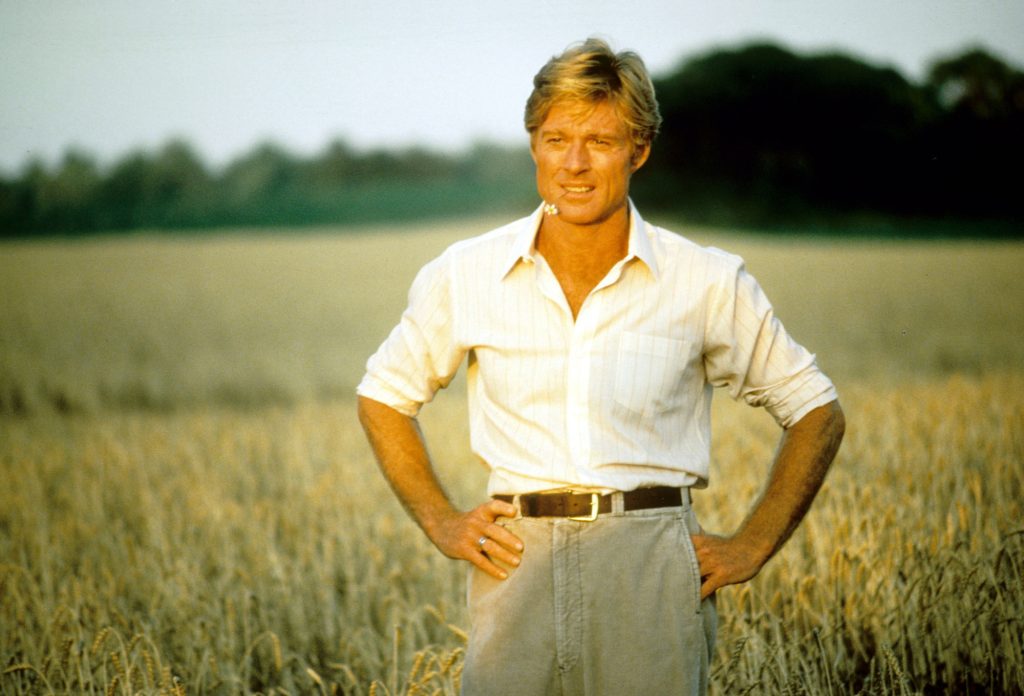
The Natural (1984)
There is no shortage of legendary baseball films to chose from. But you can never go wrong with The Natural. Redford stars as Roy Hobbs, a man with an extraordinary talent for America’s past-time. The film recounts his decades long ties with the game, from his start in the fields of Nebraska, to a final otherworldly game in with his team, The New York Knights. It’s a sparkling fable that combines some elements of magical realism with very real emotional heart–courtesy of Redford and a stellar supporting cast led by Glenn Close. Berry Levinson’s film pairs perfectly with Redford’s All-American aura, and manages to capture just what makes the sport so special.
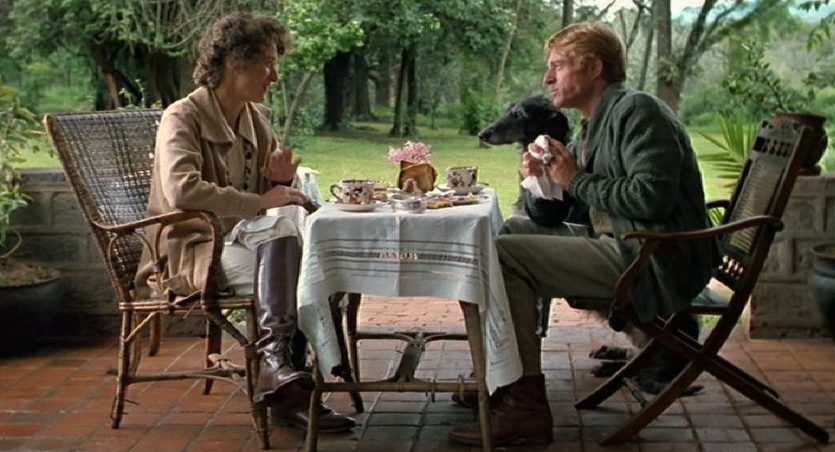
Out of Africa (1985)
Based on the memoirs of Danish writer Isak Dinesen, the award-winning epic romance marked Redford’s second last project with good friend and director Sydney Pollack, but the first of two with heavyweight Meryl Streep. Though some have stated the actor was miscast as British aristocrat and big-game hunter Denys Finch-Hatton, and on paper they’d be right. But Redford made the role his own, nailing the entitled confidence of an Oxbridge graduate while smartly skipping the accent. A fiercely independent man who connects more with the land than others of his class, Finch Hatton has a quiet confidence and earthy charisma that the actor is perfect for. But most importantly his chemistry with Streep is a treat to behold and their emotional scenes together are well worth the price of admission. Not to mention John Barry’s sweeping score and David Watkin’s stunning cinematography. This was the third film starring Redford to win the Best Picture Oscar.
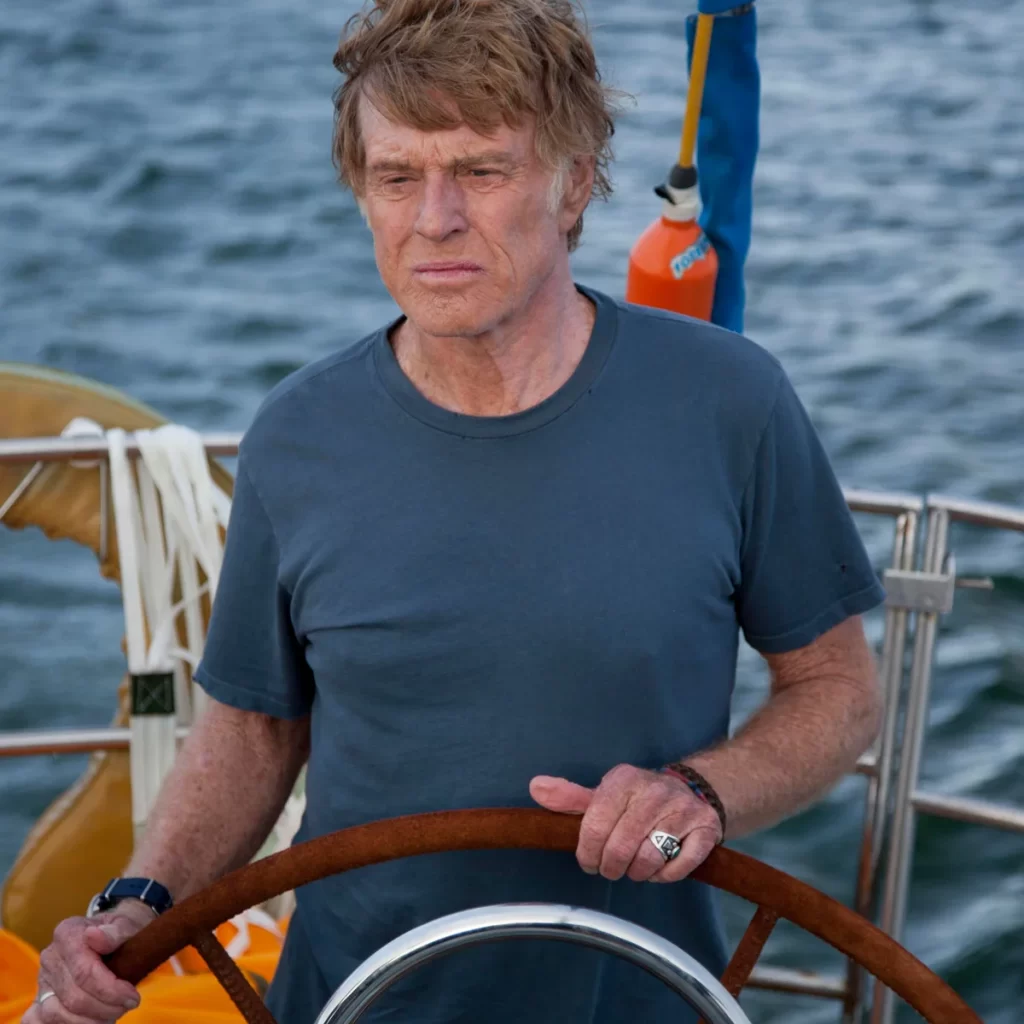
All is Lost (2013)
Though Redford continued to make quality films throughout his later career, All is Lost is perhaps his best in that era. As the film’s only cast member, and with very little dialogue, the actor must use every arrow in his quiver to retain the audience’s attention and push the tense story along. He does it with aplomb and with almost no dialogue. It goes a long way to demonstrating that even in front of the camera, Redford was never content to sit on his laurels–preferring to challenge himself rather than easy road afforded stars of his calibre. Though he proved himself time and again as a director, and left an almost unquantifiable legacy with the Sundance Institute, All is Lost reminds us what an exceptional actor he was, too.