


True crime stories fascinate people. Podcasts, TV series, and movies dissecting real-life cases dominate popularity charts. The same audiences devour mystery and detective narratives, keeping procedurals like Law & Order and CSI permanently on the air. More than a century of stories proves that solving crimes and mysteries never goes out of style — it taps into people’s inherent need to know. It’s also engaging because viewers can follow the clues alongside the characters, racing to solve the puzzle before the inevitable big reveal. Unidentified places a true crime enthusiast at the center of a real murder investigation.
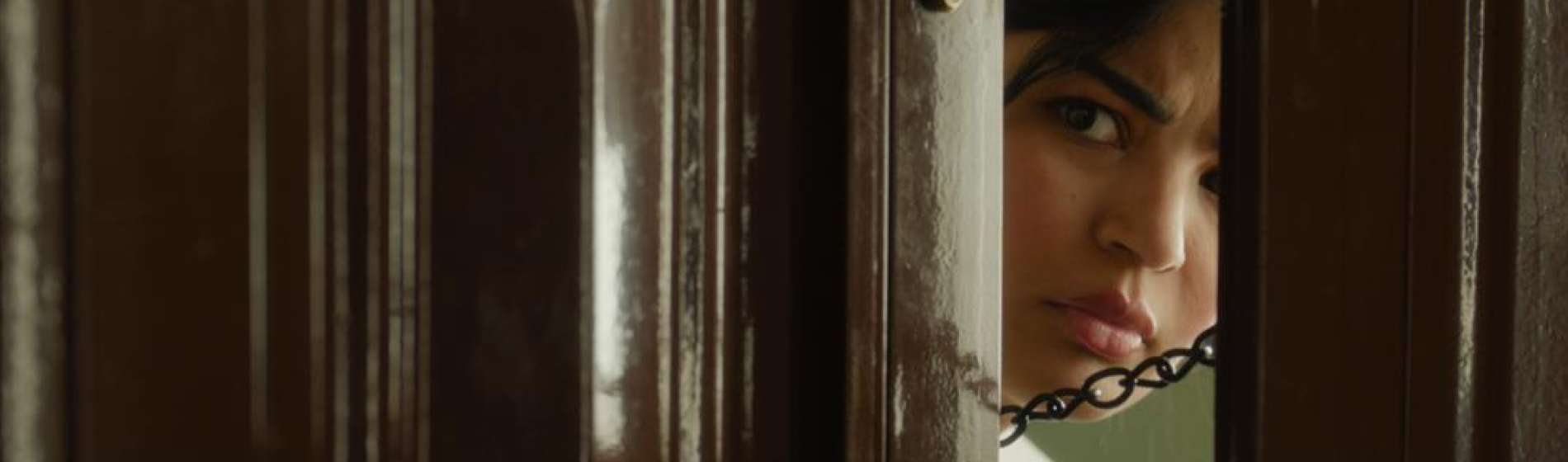
Nawal (Mila Alzahrani) works at a local police precinct performing the most menial task: digitizing old case files. But a shared love of a true crime podcast sparks a rapport with her boss. So when a female officer is unavailable, he asks Nawal to accompany him to a crime scene where someone has discovered a dead woman’s body in the desert.
Nawal becomes obsessed with the case. Despite repeated warnings, she carries out an unauthorized investigation. The thought of the woman going unclaimed and buried in an anonymous grave weighs heavily on her. Yet, using tips from the podcast, her unofficial inquiry brings the police closer to solving the crime.
Audiences love a good whodunit. The order in which clues are revealed is crucial to a film’s success. Filmmakers must anticipate the audience’s line of thought and answer their questions as they naturally arise. This film does that, while also navigating social roadblocks that regrettably help preserve the mystery.
The greatest obstacle to the truth is the cultural condemnation of “sinful” girls. No one wants to talk about the Jane Doe or identify her because of the shame it might bring her family. On top of that, the police are reluctant to get involved in an honour killing, so they don’t prioritize the investigation.
Still, Nawal makes it her mission to track down the family and convince them to claim the body so the woman isn’t forgotten. Frequent flashbacks to Nawal’s own difficult marriage suggest her dogged determination stems from personal trauma.
Even though they want answers, audiences may be shocked by Nawal’s tenacity. Every time she uncovers a new theory or lead, she pursues it alone rather than looping in the investigating officer. At one point, she even follows a potentially dangerous suspect into an isolated area. While her early insubordination feels like a response to police inaction, this recklessness raises the question of whether she’s going too far in her pursuit of justice.
Despite the looming deadline to claim the body, the ticking clock feels almost incidental; the stakes are tragic but relatively low. Instead, the film’s intensity comes from Nawal’s relentless persistence. She conducts stakeouts, plans sting operations, goes undercover, and coerces people into cooperating. Most are clever tactics — but none she should be leading on her own.
Co-writer and director Haifaa Al Mansour skillfully crafts a mystery with no immediate or straightforward answers. Femicide is a complex crime in Saudi Arabia that many still prefer to disregard. Yet even once the case seems solved, new questions emerge.
Nawal seems satisfied with the results, but audiences may still have lingering doubts. Al Mansour uses this to highlight one of the biggest blunders in any investigation: working backward from an assumed theory.
In the end, all the pieces fit together — even if the full picture doesn’t come into focus until the film’s final moments. It’s an act of quiet genius that may leave some viewers bewildered.
Unidentified screened as part of the 2025 Toronto International Film Festival. Head here to get all our That Shelf TIFF coverage .