


How do you explain sexual assault to an eight-year-old child? They are still too young to understand sex, but they are old enough to recognize consent and what “no” means. However, explaining such a violent act, and how it violates the victim both physically and psychologically, puts a parent in an impossible situation. But our world is full of cruel people who force parents into such situations to minds and must articulate such things for minds that are too young to understand. This impossible situation is at the heart of writer/director Beth de Araujo’s Josephine , winner of both the Grand Jury Prize and the Audience Award at Sundance, a harrowing portrait of growing up too soon.
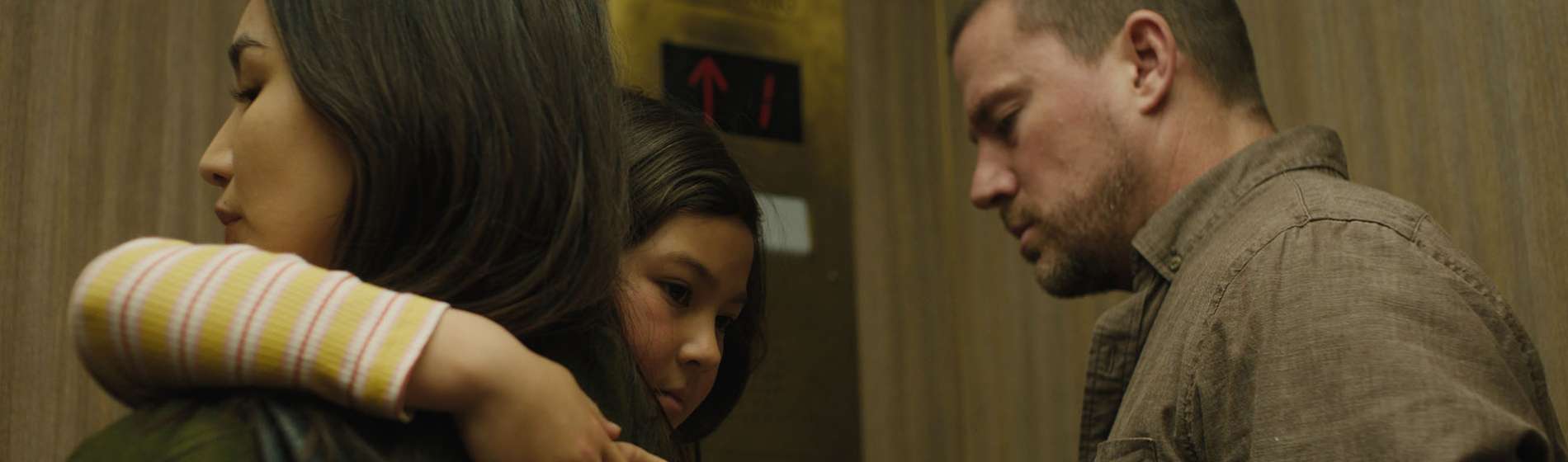
Eight-year-old Josephine (Mason Reeves) spends her Sunday mornings in the park with her father, Damien ( Channing Tatum , Roofman ) playing soccer. However, this morning will forever change her. After witnessing a violent sexual assault, Josephine begins to act out as she seeks to regain a sense of safety when fear and paranoia take over her. With her parents completely paralyzed over what to do, she acts out with more hostility and violence as the trial of the perpetrator draws near.
When it comes to the topic of sexual assault, there has to be immense level of care in execution. Some filmmakers shy away from depicting it directly, opting to play it offscreen or reducing it to sound. With Josephine , de Araujo makes bold choices that make us witness the entire crime, from start to finish, along with the young girl. Going back and forth between the crime and Josephine’s reaction, the scene combines terror and brutality with a child’s unsettling curiosity. Josephine knows that something terrible is happening to this woman, but she doesn’t fully comprehend the horrors of it. And once you realize that she is the only witness to this crime, you recognize that a part of her innocence is permanently shattered.
Josephine, played by Reeves in an incredible debut, is being torn in two. She is haunted by the crime as she sees the rapist everywhere she goes. She tries reaching out to her parents for help but she receives mixed messages from both of them, as the situation paralyzes them. Tatum delivers one of the best performances of his career as Damien, who treats this situation as black and white. He tells Josephine that the rapist is a bad man and that if she doesn’t testify against him, he won’t go to jail and justice won’t be served. He believes that the best therapy is physical activity, so he distracts Josephine with soccer and signs her up for self-defense classes. When she asks if she too can be raped, Damien exclaims that won’t happen to her and he will make sure that it will never happen–just like how my own father would respond.
Meanwhile, Josephine’s mother, Claire, played by the quietly brilliant Gemma Chan ( Eternals ), is more of a realist. She sees that her daughter’s mental health is spiralling as Josephine struggles to comprehend the horrors that she just witnessed. Claire believes therapy will help Josephine and that testifying in court will only make her daughter’s mental health worse. However, Claire knows that if Josephine doesn’t testify, there is no hope of justice for the victim and this rapist will do it again, maybe even it to her daughter. It’s a terrible situation that no parent wants to be in. While Josephine’s parents’ hearts are in the right place as they wish to preserve her innocence, they end up breaking her through their inability to be direct .
At its heart, Josephine is a tragedy about the loss of innocence. Childhood is meant to be a space free from the world’s cruelty, but when that evil arrives too early, it leaves lasting damage. Josephine handles this collapse of innocence with both careful restraint and unflinching honesty, as de Araujo nails a difficult balancing act. She brings a signature direction that captures the fragility of childhood and the harshness of the world. The result is a haunting portrait of what it means to grow up too soon.